
How to Grow and Care for Your Thornless Blackberry
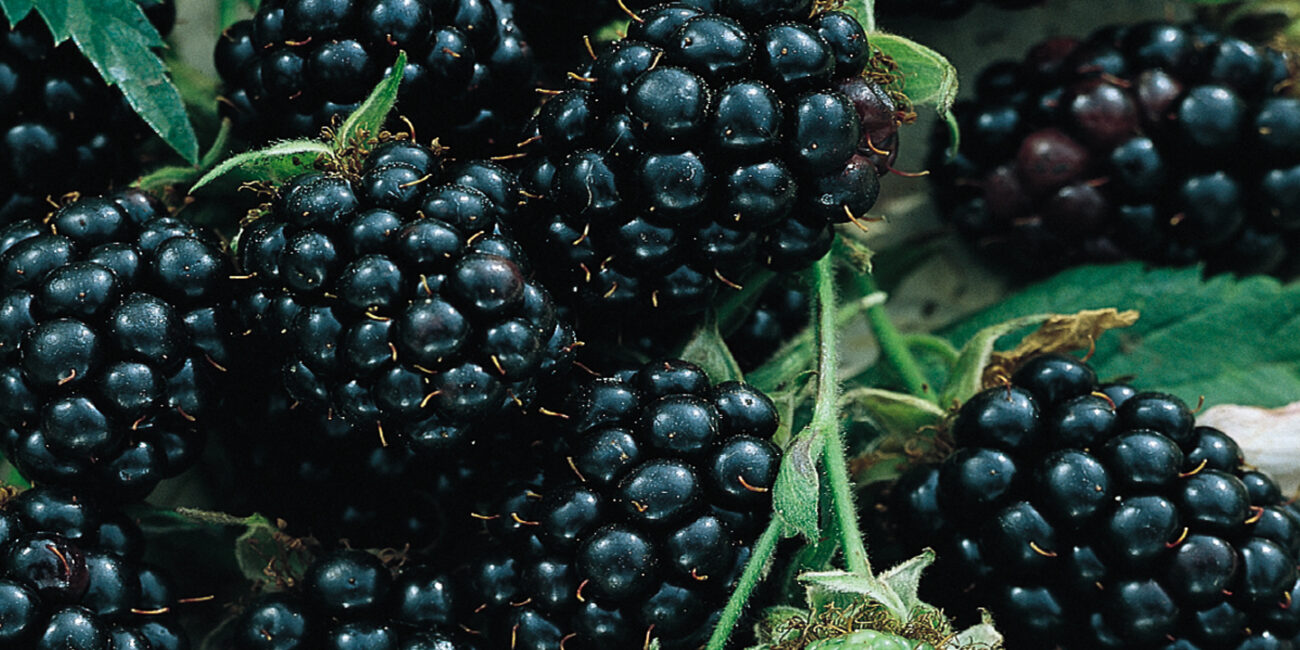
Thornless Blackberry ‘Chester’ is one of the hardiest thornless blackberry varieties available, prized for its vigorous growth, reliable yields, and extra-large sweet berries. This productive variety produces firm, glossy black fruit that is excellent for fresh eating, jams, pies, and preserving. Its thornless canes make harvesting easier and more enjoyable, while its semi-erect growth habit makes it ideal for growing along fences or trellises.
Common Name
‘Chester’
Botanical Name
Rubus fruticosus ‘Chester’
Sun Exposure
Full Sun to Partial Shade
Light Requirements
Min 3+ hours
Harvest Season
July to August
Mature Spread
6 to 8 ft
Hardiness Zone
Zone 4
Growth Habit
Vigorous semi-erect
Planting Instructions
When to Plant
Plant Thornless Blackberry ‘Chester’ in early spring or fall while temperatures are mild and the plant is dormant or semi-dormant. Spring planting is generally preferred in colder climates, allowing roots to establish before winter.
Where to Plant
Choose a location with full sun to partial shade and good air circulation. While the plant can tolerate partial shade, full sun will encourage the strongest growth and best fruit production. Blackberries perform best in fertile, well-draining soil and should not be planted in areas where water tends to collect. Avoid planting where tomatoes, potatoes, peppers, raspberries, or strawberries were recently grown, as these crops can share soil-borne diseases.
Spacing & Planting Depth
Space plants approximately 4 to 5 feet apart, with rows spaced 8 to 10 feet apart if planting multiple rows. Plant at the same depth the blackberry was growing in its nursery container. Firm the soil gently around the roots and water thoroughly after planting.
Companion Plants
Blackberries grow well near pollinator-friendly plants such as yarrow, lavender, echinacea, and bee balm. Avoid overcrowding and keep aggressive spreading plants away from the root zone.
Other Important Considerations
‘Chester’ benefits greatly from a fence, trellis, or wire support system. Training the canes improves airflow, simplifies harvesting, and helps reduce disease pressure. This variety produces fruit on second-year canes called floricanes, so proper pruning is important for long-term productivity. Once established, mature plants can produce impressive harvests of large berries throughout the season.
Care Instructions
Light
Thornless Blackberry ‘Chester’ grows in both full sun and partial shade, but plants grown in full sun generally produce sweeter fruit and heavier yields.
Soil
Blackberries prefer rich, slightly acidic, well-draining soil with a pH between 6.0 and 6.5. Amending the soil with compost before planting can improve drainage and fertility.
Water
Provide consistent moisture throughout the growing season, especially during flowering and fruit development. Deep watering once or twice weekly is generally better than frequent shallow watering. Avoid overly wet soil conditions.
Temperature & Humidity
‘Chester’ is considered one of the most cold-hardy thornless blackberry varieties and performs well in colder climates within its hardiness range. Good airflow around the plants helps reduce fungal problems in humid conditions.
Fertilizer
Feed plants in early spring with a balanced fertilizer or composted manure. Avoid excessive nitrogen, which can encourage leafy growth at the expense of fruit production.
Additional Care Information
Prune out dead floricanes immediately after harvest, as these canes will not fruit again. Tie new primocanes to a trellis or fence support as they grow to keep the planting organized, healthy, and productive.
Harvesting Instructions
When to Harvest
Berries are typically ready for harvest from July through August. Fruit should be fully black, glossy, and slightly soft before picking.
Harvesting Tips
Harvest berries every few days during peak season. Ripe blackberries should release easily from the plant with minimal pulling. ‘Chester’ berries are known for their firm texture, allowing them to hold up well after harvesting compared to softer blackberry varieties.
Managing Canes
After harvesting is complete, remove the older fruiting canes at ground level to encourage healthy new cane growth. Leave the current season’s new green canes in place, as these will produce next year’s crop.
Additional Harvest Information
Regular harvesting encourages continued fruit production and helps reduce the chance of fruit rot or pest issues. Refrigerate harvested berries promptly for best freshness and flavour.
Growing in Pots & Containers
Container Growing
Thornless Blackberry ‘Chester’ can be successfully grown in large containers with proper support. Choose a container at least 18 to 24 inches wide and deep with good drainage holes. A trellis, fence, or stake system is strongly recommended to support the vigorous canes.
Watering & Maintenance
Container-grown blackberries dry out more quickly than garden-grown plants and require more frequent watering during warm weather. Monitor soil moisture regularly and avoid letting containers dry out completely.
Propagation & Cane Growth
Blackberries naturally produce new canes each season from the crown. In containers, periodic pruning and dividing may be needed to prevent overcrowding and maintain plant vigor over time.
Additional Container Information
Use a high-quality potting mix designed for fruits or shrubs, and refresh part of the soil every few years to maintain nutrient levels and drainage.
Overwintering Instructions
Winter Protection
In colder regions, apply mulch around the base of the plant in late fall to help insulate the roots and protect against freeze-thaw cycles. Remove damaged or weak canes before winter. Because ‘Chester’ is one of the hardiest thornless blackberry varieties, established plants are generally very reliable in colder climates when properly mulched.
Overwintering Container Plants
Container-grown blackberries are more vulnerable to freezing temperatures because the roots are exposed above ground. Move containers to a sheltered location such as an unheated garage, shed, or protected wall during extreme cold periods.
Common Pests and Plant Diseases
Common Disease Issues
Blackberries may occasionally experience issues such as cane blight, anthracnose, powdery mildew, or root rot in poorly drained soils. Proper spacing, pruning, and airflow help minimize disease problems.
Common Garden Pests
Birds are one of the biggest competitors for ripe berries. Netting may be helpful during harvest season. Aphids, spider mites, Japanese beetles, and spotted wing drosophila can also occasionally affect blackberry plants. Regular monitoring and good garden sanitation help keep pest populations under control.