
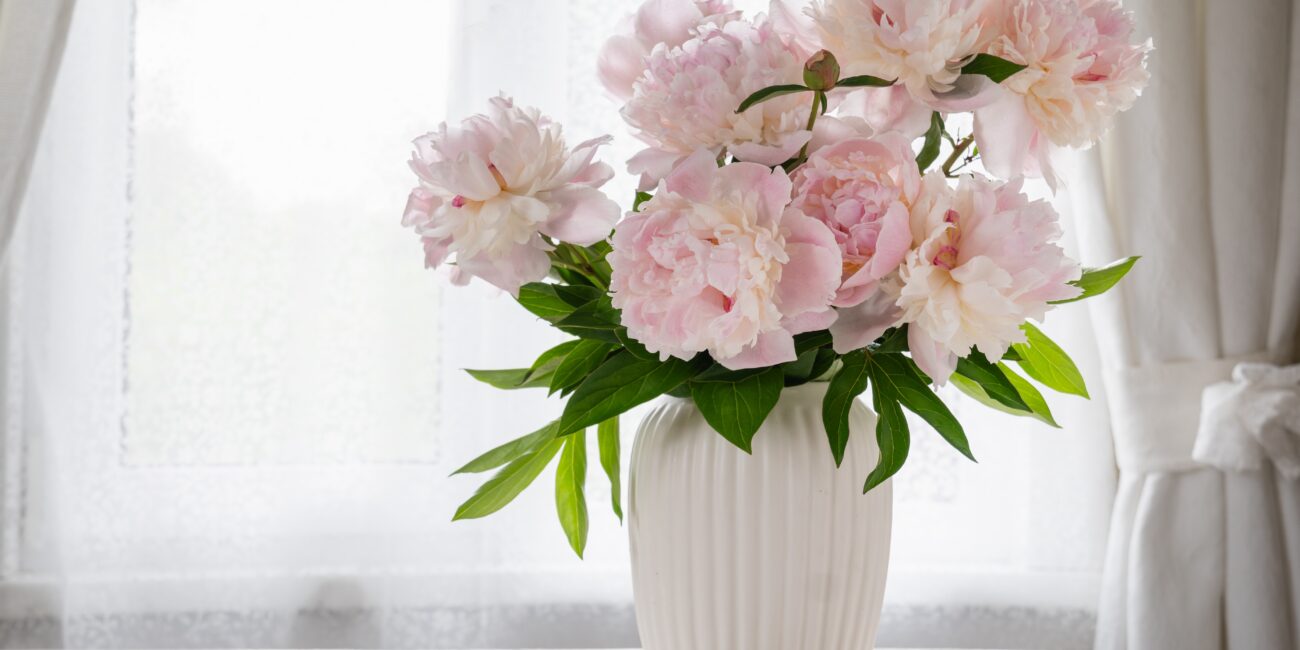
How to Grow and Care for Peonies
Peonies are among the most treasured perennial garden plants, valued for their large, fragrant blooms, exceptional longevity, and reliable performance. These hardy perennials can live for more than twenty years when planted in a suitable location and given basic care. Their spectacular spring flowers create a dramatic display in the landscape and are also highly prized as cut flowers. Peonies develop into substantial, long-lived clumps that return year after year, often becoming more impressive with age. The plant tag describes peonies as hardy, easy-to-grow perennials with large, showy, fragrant blooms and excellent cold hardiness to Zone 3.
Common Name
Peonies
Botanical Name
Paeonia
Sun Exposure
Full Sun to Partial Shade
Light Requirements
6+ hours of direct sun
Harvest Season
Late Spring to Early Summer
Mature Spread
60 to 90 cm (24 to 36 in)
Hardiness Zone
Zone 3
Growth Habit
Upright, clump-forming perennial
How to Plant Peonies
When to Plant
Peonies can be planted in either spring or fall. Spring planting is extremely successful when plants are kept consistently watered during their first growing season.
Where to Plant
Peonies perform best in a location that receives full sun for most of the day and offers good air circulation. They thrive in fertile, well-draining soil and should be planted in an area where water does not collect during winter or after heavy rainfall. Because peonies dislike being disturbed once established, it is important to choose a permanent location where they can remain undisturbed for many years.
Spacing & Planting Depth
Peonies should be spaced approximately 90 cm (36 inches) apart to provide adequate room for mature growth and good air movement between plants. When planting, the crown or growing eyes should be positioned no deeper than 2.5 to 5 cm (1 to 2 inches) below the soil surface. Planting too deeply is one of the most common reasons peonies fail to flower well.
Companion Plants
Peonies combine beautifully with a wide range of perennials and shrubs. Excellent companion plants include salvia, catmint, delphinium, iris, allium, lavender, and ornamental grasses. These plants complement peony blooms while helping to provide colour, texture, and seasonal interest after the flowering period has ended.
Important Considerations
Peonies are exceptionally long-lived plants and often improve with age. Newly planted specimens may take two or three years to reach their full flowering potential. Some varieties produce very large blooms that can become heavy after rain, so staking or support rings may be beneficial. Because peonies resent frequent transplanting, it is worth taking extra care when selecting their planting location.
Care Instructions
Light
Peonies flower most abundantly when grown in full sun. A minimum of six hours of direct sunlight each day is recommended for the best bloom production. In regions with particularly hot summers, light afternoon shade can help protect flowers and extend their display.
Soil
Peonies prefer fertile, well-draining soil enriched with organic matter. Soil that is slightly neutral to mildly alkaline is ideal. Heavy clay soils can be improved with compost and organic material to increase drainage and root health. Consistently wet or poorly drained locations should be avoided.
Water
Newly planted peonies should be kept evenly moist throughout their first growing season while they establish their root systems. Once established, peonies are relatively drought tolerant and generally require less frequent watering. Deep watering during prolonged dry periods will help maintain healthy growth and support flower production.
Temperature & Humidity
Peonies are extremely cold hardy and thrive in regions with cold winters. In fact, they require a period of winter chilling in order to flower properly the following spring. They perform best in climates with distinct seasonal changes and moderate humidity. Good air circulation around the plant helps minimize disease problems in humid conditions.
Fertilizer
Peonies benefit from an annual application of compost or a balanced slow-release fertilizer in early spring as new growth emerges. Excessive nitrogen should be avoided, as it can encourage lush foliage growth at the expense of flower production.
Important for Consideration
Spent flowers can be removed after blooming to keep plants looking tidy and to direct energy back into root development. The foliage should remain intact throughout the growing season, as it helps the plant store energy for the following year’s blooms. In addition, applying a layer of mulch around the plant can help conserve soil moisture, suppress weeds, and provide winter insulation.
Harvesting Instructions
When to Harvest
Peony flowers are best harvested when the buds have developed colour and feel soft to the touch, similar to the texture of a marshmallow. At this stage, the blooms will continue opening indoors and provide the longest vase life.
Harvesting Tips
Flower stems should be cut early in the morning when temperatures are cool and plants are fully hydrated. Clean, sharp pruners should be used to make a clean cut. When harvesting, it is important to leave sufficient foliage on the plant so it can continue producing energy for future growth and flowering.
Propagation by Division
Peonies do not produce runners. Instead, mature plants can be propagated through division. Division is typically performed in fall after the foliage has died back. Each division should contain several healthy eyes and a strong root system to ensure successful establishment.
Important for Consideration
Peony flowers are highly valued for floral arrangements due to their large blooms, fragrance, and excellent vase life. Gardeners should not be concerned if ants are present on flower buds, as they are attracted to the sugary nectar and do not harm the plant.
Growing in Pots and Containers
Container Growing
Although peonies are most commonly grown in garden beds, they can also be successfully cultivated in large containers. A deep pot with excellent drainage is essential because peonies develop substantial root systems. Compact varieties are generally the best choice for long-term container culture.
Watering & Maintenance
Container-grown peonies require more frequent watering than those planted in the ground because potting soil dries out more quickly. The soil should remain consistently moist but never saturated. An annual application of balanced fertilizer in spring will support healthy growth and flowering.
Propagation by Division
As with garden-grown peonies, container specimens are propagated through root division rather than runners. Mature plants can be divided in fall if they outgrow their containers or if additional plants are desired.
Important for Consideration
Container-grown peonies may take slightly longer to establish than those planted directly in the garden. Ensuring adequate container size and proper drainage will greatly improve long-term performance and flowering.
Overwintering Instructions
Winter Protection
Herbaceous peonies naturally enter dormancy in autumn and require very little winter protection once established. After frost has blackened the foliage, stems should be cut back to approximately 5 to 10 cm (2 to 4 inches) above ground level. Any diseased foliage should be removed and discarded to help prevent disease problems the following year. In colder regions, a light layer of mulch can be applied after the ground freezes to help moderate soil temperature fluctuations.
Overwintering Container Plants
Container-grown peonies require additional protection because their roots are more exposed to freezing temperatures. Containers can be moved to a sheltered, unheated location such as a garage or shed, or they can be insulated with mulch, burlap, or other protective materials. During winter, the soil should not be allowed to become completely dry, although watering should be minimal while the plant is dormant.
Common Pests and Plant Diseases
Common Disease Issues
The most common disease affecting peonies is Botrytis blight, which can cause blackened stems, buds, and flowers during cool, wet weather. Powdery mildew may occasionally develop on foliage later in the growing season, particularly when air circulation is poor. Root rot can also occur if plants are grown in poorly drained soils or subjected to excessive watering.
Common Garden Pests
Peonies are generally resistant to serious pest problems. Ants are commonly seen on flower buds and are completely harmless. Aphids, thrips, and scale insects may occasionally appear on stems or new growth but rarely cause significant damage. Deer and rabbits typically avoid peonies, making them a reliable choice for gardens where browsing wildlife is a concern.