
How to Grow and Care for Loganberries
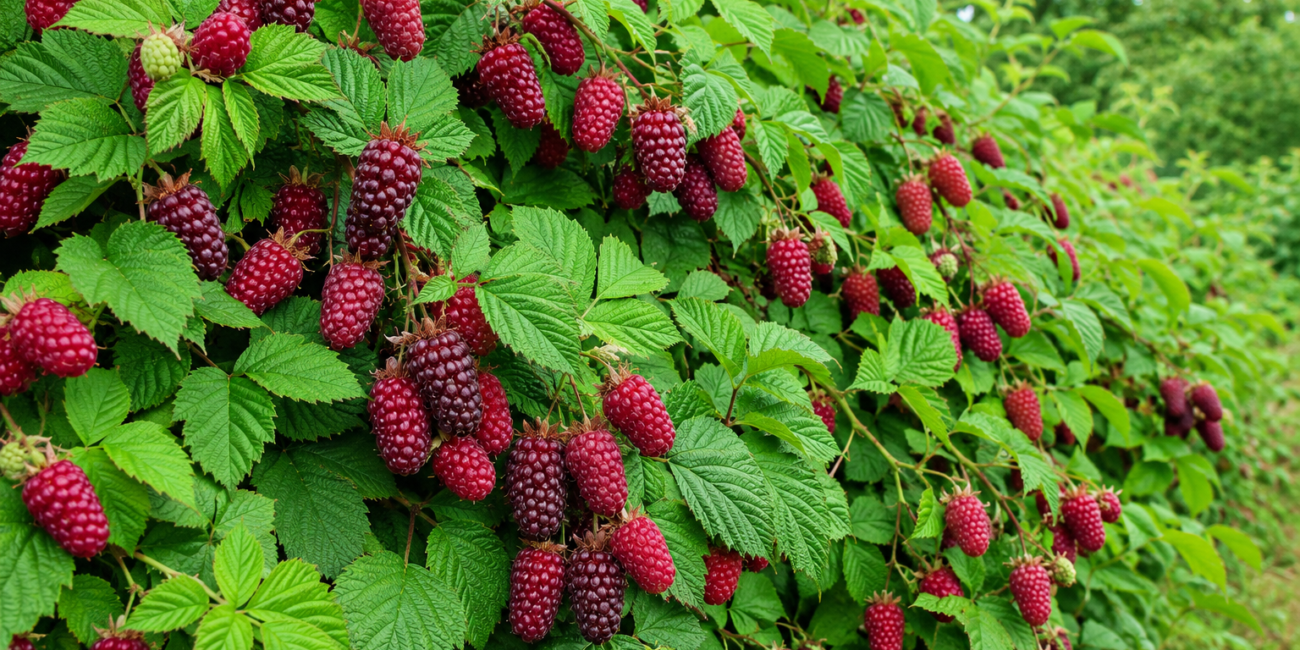
Loganberry is a delicious hybrid berry that originated from a cross between a raspberry and a blackberry. It produces large, elongated fruits with a rich sweet-tart flavour that combines the best qualities of both parent plants. The deep red to burgundy berries are highly prized for fresh eating, baking, preserves, syrups, and freezing. Loganberries grow on long, vigorous canes that benefit from support and training, making them an attractive and productive addition to home gardens and edible landscapes.
Common Name
Loganberry
Botanical Name
Rubus × loganobaccus
Sun Exposure
Full Sun to Partial Shade
Light Requirements
6+ hours of direct sun
Harvest Season
July to September
Mature Spread
1.8 – 2.5 m (6 – 8 ft)
Hardiness Zone
Zone 5
Growth Habit
Vigorous trailing cane berry with thornless canes
How to Plant Loganberries
When to Plant
Loganberries are best planted in early spring or fall when temperatures are cool and soil moisture is naturally more consistent. Spring planting is often preferred in colder regions because it allows the plant to establish a strong root system before its first winter.
Where to Plant
Choose a location that receives full sun for the majority of the day, as abundant sunlight encourages stronger growth, larger harvests, and sweeter fruit. While loganberries can tolerate light afternoon shade, fruit production is generally highest when plants receive at least six hours of direct sunlight daily. Select a site with good air circulation and well-draining soil to help reduce the risk of fungal diseases.
Spacing & Planting Depth
When planting loganberries, allow approximately 1.8 to 2.5 metres (6 to 8 feet) of space between plants. If planting multiple rows, leave 2 to 3 metres (6 to 10 feet) between rows to provide adequate airflow and room for maintenance. Dig a planting hole roughly twice as wide and deep as the nursery container and position the plant so that the top of the root ball sits level with the surrounding soil. After planting, gently firm the soil around the roots and water thoroughly to eliminate air pockets and encourage root establishment.
Companion Plants
Loganberries grow well alongside companion plants such as chives, garlic, yarrow, marigolds, and nasturtiums. These plants can help attract beneficial insects and improve overall garden biodiversity. Avoid planting loganberries near tomatoes, potatoes, peppers, or eggplants, as these crops can share certain soil-borne diseases and pests.
Other Important Considerations
Because loganberries produce long trailing canes, they perform best when grown on a trellis, fence, or wire support system. Training the canes early makes maintenance easier, improves air circulation, and helps keep fruit clean and accessible during harvest. Applying a layer of mulch around the base of the plant helps conserve soil moisture, suppress weeds, and regulate soil temperature throughout the growing season.
Care Instructions
Light
Loganberries thrive in full sun and produce their best crops when grown in bright conditions. Plants that receive ample sunlight typically develop stronger canes and produce sweeter, more flavourful fruit than those grown in shadier locations.
Soil
These plants prefer fertile, organically rich soil that drains well. A slightly acidic to neutral soil pH between 6.0 and 6.8 is ideal. Amending the soil with compost or well-rotted organic matter before planting helps improve drainage, fertility, and moisture retention.
Water
Consistent moisture is especially important during the first growing season while plants establish their root systems. Loganberries prefer evenly moist soil but do not tolerate waterlogged conditions. Deep watering during dry periods promotes healthy growth and larger fruit. Extra attention should be given during flowering and fruit development, as drought stress at these stages can reduce berry size and overall yields.
Temperature & Humidity
Loganberries are hardy in Zone 5 and tolerate a wide range of growing conditions. They perform best in regions with warm summers and moderate humidity. Good airflow around the canes helps minimize disease issues, particularly in areas with frequent rainfall or higher humidity levels.
Fertilizer
Applying compost or a balanced fertilizer in early spring helps support vigorous growth and fruit production. Avoid excessive nitrogen applications, as they can encourage lush leafy growth at the expense of flowers and fruit. An annual top dressing of compost or well-aged manure is often sufficient for established plants.
Important for Consideration
Loganberries produce fruit on second-year canes known as floricanes. To maintain productivity, remove the canes that have fruited after harvest while preserving healthy new canes that will bear fruit the following season. Regular training and pruning improve air circulation, simplify harvesting, and help prevent disease problems.
Harvesting Instructions
When to Harvest
Loganberries are typically ready for harvest from mid-summer through early fall, depending on the local climate and growing conditions. Fruit is ready to pick when it develops a deep burgundy-red colour and separates easily from the plant with a gentle pull.
Harvesting Tips
Harvest berries every few days during peak production to ensure the best flavour and quality. Loganberries are delicate and can bruise easily, so they should be handled gently and placed directly into shallow containers. Harvesting in the morning after any dew has dried generally provides the best fruit quality and storage life.
Managing Canes
Unlike raspberries that spread extensively through underground suckers, loganberries primarily grow from long trailing canes. After harvest, remove the canes that produced fruit that season and tie new replacement canes onto the support system. This annual pruning cycle keeps plants productive and manageable while encouraging healthy future harvests.
Important for Consideration
Fresh loganberries are highly perishable and are best enjoyed, frozen, or processed soon after picking. Their excellent balance of sweetness and acidity makes them particularly well suited for jams, pies, sauces, and preserves.
Growing in Pots and Containers
Container Growing
Loganberries can be grown successfully in large containers when provided with adequate space and support. Choose a container that is at least 50 to 60 centimetres (20 to 24 inches) wide and deep and ensure it has excellent drainage. A high-quality potting mix enriched with compost will help support healthy growth and fruit production.
Watering & Maintenance
Container-grown plants require more frequent watering than those grown in the ground because the soil dries out more quickly. Regular watering throughout the growing season is essential, particularly during hot summer weather. Feeding with a balanced fertilizer during the active growing season will help maintain plant vigour and fruit production.
Propagation
Loganberries are most commonly propagated through tip layering. This occurs when the tip of a healthy cane is gently bent to the ground and covered with soil. Over time, roots develop at the buried tip, creating a new plant that can later be separated from the parent.
Important for Consideration
A sturdy trellis or support system is just as important for container-grown loganberries as it is for those planted in the ground. As plants mature, they may require repotting or soil renewal to maintain long-term health and productivity.
Overwintering Instructions
Winter Protection
Established loganberries are generally hardy in Zone 5 and require minimal winter protection once established. Applying a layer of mulch around the root zone in late fall helps insulate the soil and protect roots from repeated freeze-thaw cycles. In colder regions, canes may benefit from protection against harsh winter winds.
Overwintering Container Plants
Container-grown loganberries are more susceptible to winter damage because their roots are exposed to colder temperatures than those planted in the ground. Move containers to a sheltered location such as an unheated garage, shed, or protected patio when severe cold is expected. Water sparingly throughout the winter, providing just enough moisture to prevent the soil from becoming completely dry.
Common Pests and Plant Diseases
Common Disease Issues
Loganberries can occasionally be affected by fungal diseases such as powdery mildew, cane blight, rust, and botrytis, particularly when plants are overcrowded or grown in humid conditions. Root rot may also occur in poorly drained soils. Proper spacing, regular pruning, good air circulation, and well-draining soil are the most effective methods of preventing disease problems.
Common Garden Pests
Common pests include aphids, spider mites, Japanese beetles, and raspberry crown borers. Birds are also attracted to ripening fruit and can quickly reduce harvests if plants are left unprotected. Monitoring plants regularly and encouraging beneficial insects can help keep pest populations under control, while bird netting may be used to protect valuable crops as berries begin to ripen.