
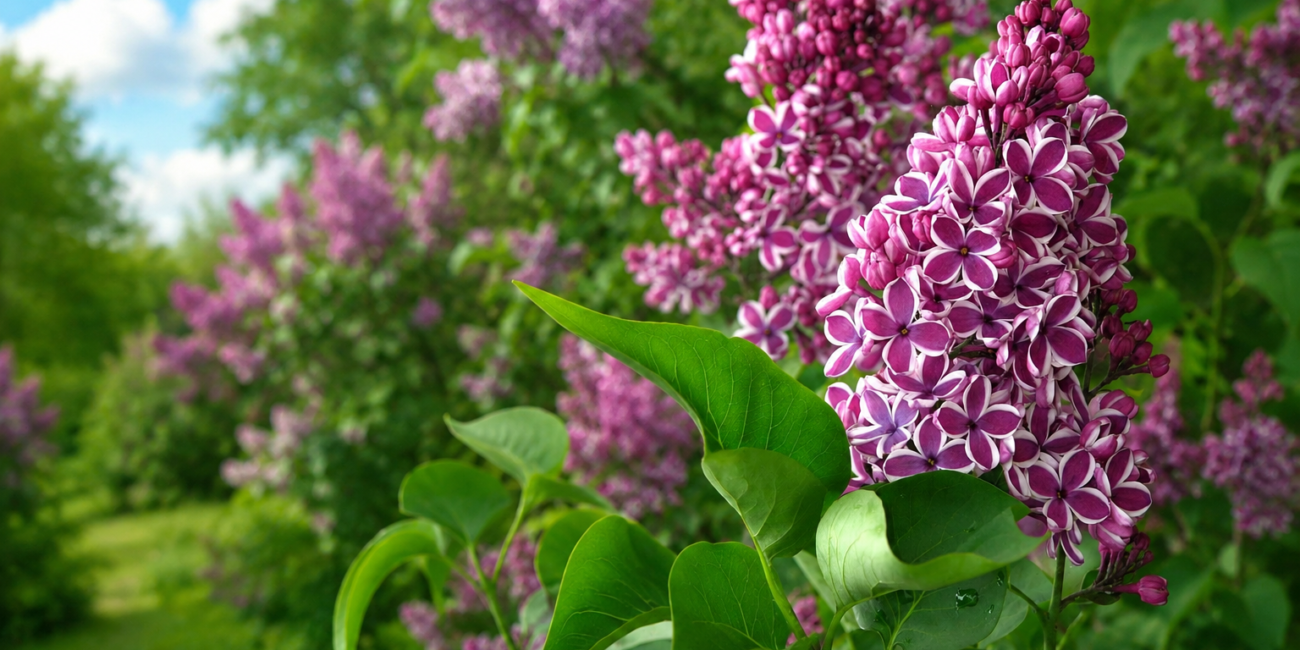
How to Grow and Care for Lilac
Lilac is one of the most beloved flowering shrubs in northern gardens, valued for its abundant clusters of fragrant blooms and exceptional cold hardiness. Blooming in late spring, lilacs produce large, showy flower panicles that attract bees, butterflies, and other beneficial pollinators. Their intensely sweet fragrance makes them a favourite near patios, walkways, and outdoor living spaces. Lilacs are also prized as cut flowers, bringing both beauty and fragrance indoors. With proper care, these long-lived shrubs can thrive for decades and often become treasured landscape features that improve with age.
Common Name
Lilac
Botanical Name
Syringa vulgaris
Sun Exposure
Full Sun
Light Requirements
6+ hours of direct sun
Harvest Season
May to June
Mature Spread
3–4 m (10–12 ft)
Hardiness Zone
Zone 3
Growth Habit
Upright, deciduous flowering shrub
How to Plant Lilac
When to Plant
Lilacs can be planted in either spring or fall when temperatures are cool and moisture levels are more consistent. Planting during these seasons allows roots to establish before the stresses of summer heat or winter cold arrive.
Where to Plant
Lilacs perform best in locations that receive full sun throughout the day. A site with good air circulation and well-drained soil will encourage healthy growth and abundant flowering. Avoid planting in low-lying areas where water collects, as prolonged wet conditions can lead to root problems and reduced plant vigor.
Spacing & Planting Depth
Lilacs should be spaced approximately 2.5 to 4 metres (8 to 12 feet) apart to accommodate their mature size and allow for proper airflow between plants. Dig a planting hole at least twice as wide as the container and deep enough to position the root ball so that the original soil level sits even with the surrounding ground. After planting, water thoroughly to settle the soil around the roots and eliminate air pockets.
Companion Plants
Lilacs pair beautifully with many classic garden perennials and shrubs. Peonies, salvia, catmint, alliums, roses, and ornamental grasses all complement the lilac’s bloom season and growth habit. Spring-flowering bulbs can also provide additional colour before lilacs reach their peak display.
Important Considerations
Applying a layer of mulch approximately 4 to 6 cm (2 to 3 inches) thick around the base of the plant will help conserve soil moisture, suppress weeds, and moderate soil temperatures throughout the year. Care should be taken to keep mulch a few centimetres away from the main stems to prevent excess moisture buildup around the crown.
Care Instructions
Light
Lilacs require full sun for optimal flowering. A minimum of six hours of direct sunlight each day is essential for producing strong stems and abundant blooms. Plants grown in too much shade often become sparse and produce significantly fewer flowers.
Soil
Lilacs prefer fertile, well-drained soils rich in organic matter. They perform best in neutral to slightly alkaline soil conditions and generally dislike heavy, waterlogged soils that remain wet for extended periods.
Water
Newly planted lilacs should be watered regularly during their first growing season to help establish a strong root system. The soil should remain consistently moist but never saturated. Once established, lilacs become relatively drought tolerant and generally require supplemental watering only during prolonged dry periods.
Temperature & Humidity
Lilacs are exceptionally cold hardy and thrive in regions with cold winters. In fact, winter chilling is necessary for reliable flower production. They grow best in climates with moderate humidity and benefit from good airflow around the plant, which helps reduce disease pressure.
Fertilizer
A balanced slow-release fertilizer or a generous application of compost can be applied in early spring to support healthy growth. Excessive nitrogen should be avoided, as it encourages leafy growth at the expense of flowers.
Important for Consideration
Lilacs bloom on old wood, meaning flower buds form during the previous growing season. Pruning should therefore be completed shortly after flowering has finished. Removing spent flower clusters within a week or two after bloom helps maintain the plant’s appearance and allows sufficient time for next year’s flower buds to develop. Heavy pruning later in the season may reduce flowering the following spring. Mature plants may also produce suckers around their base, which can be removed to maintain shape or left in place to create a fuller shrub.
Harvesting Instructions
When to Harvest
Lilac flowers are best harvested during spring when individual florets have begun to open and the flower clusters are fully coloured and fragrant.
Harvesting Tips
For the longest vase life, cut flower stems early in the morning when temperatures are cool and plants are fully hydrated. Use clean, sharp pruning shears and place stems into water immediately after cutting. Recutting the stems before arranging them indoors can further improve water uptake and extend bloom longevity.
Managing Suckers
Lilacs naturally produce suckers from their root system as they mature. These suckers can be removed if a more formal shrub shape is desired. Alternatively, healthy suckers can be dug and transplanted to propagate new lilac plants elsewhere in the garden.
Important for Consideration
Lilac blooms are highly attractive to pollinators and can contribute significantly to spring garden biodiversity. Leaving some flowers on the plant after harvesting will continue to support bees and beneficial insects throughout the blooming season.
Growing in Pots and Containers
Container Growing
Lilacs can be grown successfully in large containers, although smaller or dwarf varieties are generally better suited for long-term container culture than standard-sized lilacs. Choose a container with excellent drainage and enough space to accommodate root development over several years.
Watering & Maintenance
Container-grown lilacs require more frequent watering than those planted in the ground because pots dry out more quickly. Water deeply whenever the upper layer of soil becomes dry and ensure excess water can drain freely from the container. Applying a slow-release fertilizer in spring and refreshing the potting mix periodically will help maintain plant health.
Propagating from Suckers
Mature container-grown lilacs may occasionally produce suckers that can be separated and replanted. The best time to divide and transplant suckers is during spring or fall when temperatures are mild and moisture levels are consistent.
Important for Consideration
Container-grown lilacs may require occasional root pruning or repotting as they mature. Providing full sun and adequate root space will help encourage healthy flowering and long-term performance.
Overwintering Instructions
Winter Protection
Established lilacs are extremely hardy and typically require little winter protection. Applying mulch around the root zone in late fall can help stabilize soil temperatures and protect young plants during their first few winters. Avoid fertilizing late in the growing season, as this can encourage tender new growth that may be damaged by frost.
Overwintering Container Plants
Container-grown lilacs are more vulnerable to winter temperature fluctuations because their roots are exposed above ground. Containers should be moved to a sheltered location or insulated with mulch, burlap, or other protective materials. Occasional watering during extended dry periods may be necessary if the soil is not frozen.
Common Pests and Plant Diseases
Common Disease Issues
Powdery mildew is the most common disease affecting lilacs. It appears as a white, powdery coating on leaves, particularly during periods of warm days and cool nights. While usually cosmetic, severe infections can reduce plant vigor over time. Good air circulation and proper spacing help minimize outbreaks.
Bacterial blight may occasionally affect lilacs, causing blackened shoots, leaf spots, and damaged flower buds. Pruning infected growth and avoiding overhead watering can help reduce disease spread. Root rot can also occur in poorly drained soils where roots remain excessively wet.
Common Garden Pests
Aphids may occasionally feed on tender new growth, causing minor distortion of leaves and stems. Scale insects can sometimes be found attached to branches and may weaken plants if populations become heavy. Lilac borers are another potential pest, particularly on older or stressed shrubs. Maintaining healthy plants through proper watering, pruning, and site selection is the best defense against most insect problems.