
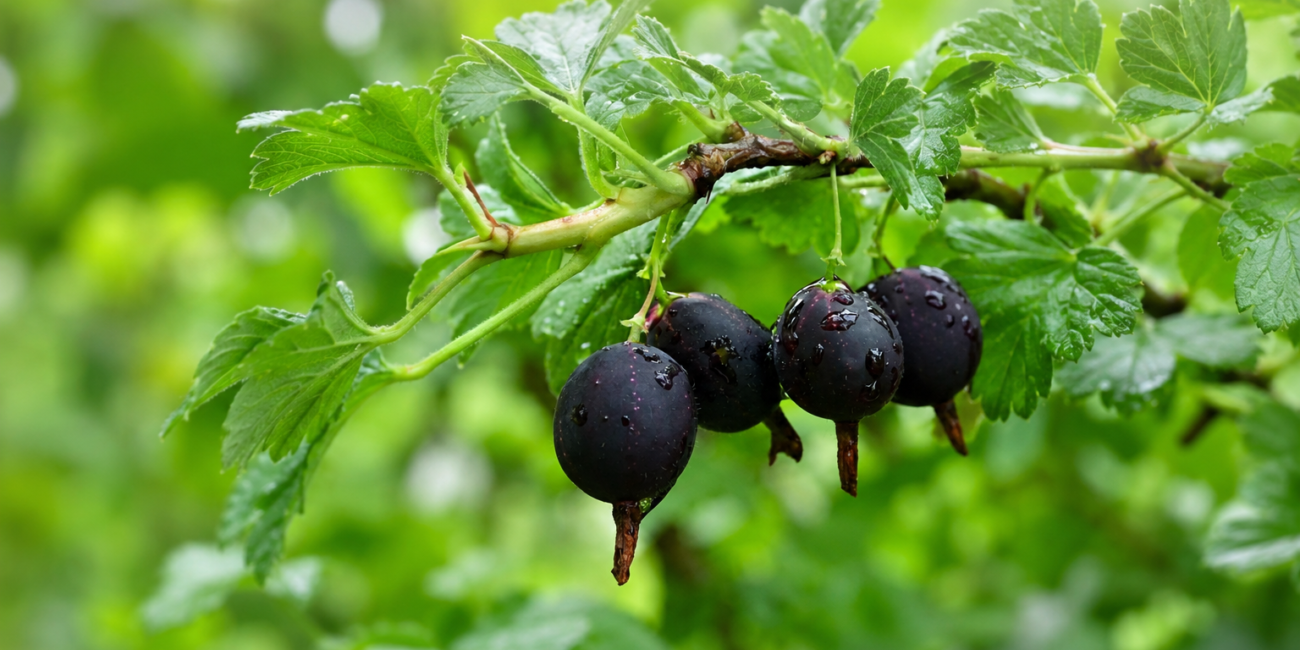
How to Grow and Care for Jostaberries
Jostaberry is a vigorous hybrid fruit shrub created by crossing black currant and gooseberry. It produces large, dark purple-black berries with a sweet-tart flavour that combines the richness of black currants with the sweetness of gooseberries. The berries are high in Vitamin C and are excellent for fresh eating, jams, jellies, sauces, baking, and freezing.
Common Name
Jostaberry
Botanical Name
Ribes × nidigrolaria
Sun Exposure
Full Sun to Partial Shade
Light Requirements
6+ hours of direct sun
Harvest Season
July to August
Mature Spread
1.8 to 2.5 m (6 to 8 ft)
Hardiness Zone
Zone 2 to 3
Growth Habit
Upright, vigorous, thornless deciduous shrub
How to Plant Jostaberries
When to Plant
Plant Jostaberry in early spring or fall when temperatures are cool and the soil is workable. Spring planting is ideal in colder climates to allow roots to establish before winter.
Where to Plant
Choose a location with full sun for maximum berry production, although the plant will tolerate partial shade. Jostaberries prefer an open site with good air circulation to reduce disease pressure.
Spacing & Planting Depth
Space plants approximately 1.8 to 2.5 m (6 to 8 ft) apart to allow room for mature growth and airflow. Dig a hole twice as wide and deep as the root ball. Plant so the original soil line sits level with the surrounding ground.
Companion Plants
Jostaberries grow well alongside other edible shrubs such as blueberries, currants, gooseberries, honeyberries, and raspberries. Pollinator-friendly perennials nearby can help attract beneficial insects during flowering.
Other Important Considerations
Jostaberry shrubs are thornless, making harvesting much easier than traditional gooseberries. Applying mulch around the base helps retain moisture, suppress weeds, and insulate roots during winter. Avoid planting in poorly drained or waterlogged soil.
Care Instructions
Light
Full sun produces the heaviest crops and best flavour. Partial shade is tolerated, particularly in hotter regions, but berry production may be reduced.
Soil
Jostaberries prefer fertile, organically rich, well-drained soil with a slightly acidic to neutral pH. Amending heavy clay soils with compost improves drainage and root development.
Water
Keep newly planted shrubs consistently moist during their first growing season. Established plants require moderate watering, especially during hot weather and while fruit is developing. Avoid overwatering, as soggy soil can lead to root issues.
Temperature & Humidity
Jostaberries are exceptionally cold hardy and perform very well in Canadian climates. They tolerate harsh winters and are generally adaptable to average humidity levels when planted with good airflow.
Fertilizer
Apply compost or a balanced slow-release fertilizer in early spring before new growth begins. Excessive nitrogen should be avoided, as it can encourage leafy growth at the expense of fruit production.
Additional Care Considerations
Prune annually during late winter or early spring to remove weak, damaged, or overcrowded branches. Mature shrubs benefit from renewal pruning by removing a few of the oldest stems each year to encourage vigorous new growth and better fruiting.
Harvesting Instructions
When to Harvest
Jostaberries are typically ready to harvest from July through August once berries become deep purple-black and slightly soft to the touch.
Harvesting Tips
Allow berries to fully ripen on the plant for the best sweetness and flavour. The berries can be picked individually or harvested in clusters. Fresh berries store well in the refrigerator for several days and freeze very well for long-term use.
Managing Growth
Unlike raspberries or strawberries, Jostaberries do not spread aggressively through runners. Their growth remains shrub-forming and relatively easy to manage with seasonal pruning.
Other Important Considerations
Birds are highly attracted to ripening berries. Netting may be helpful during harvest season if bird pressure is heavy.
Growing in Pots and Containers
Container Growing
Jostaberries can be successfully grown in large patio containers, although they perform best in-ground long term. Use a container with excellent drainage that is at least 50 to 60 cm (20 to 24 inches) wide and deep.
Watering & Maintenance
Container-grown plants dry out faster than garden-planted shrubs and require more frequent watering during warm weather. Regular feeding with a balanced fertilizer during the growing season helps support fruit production.
Propagation & Growth Management
Jostaberries are most commonly propagated through hardwood cuttings rather than runners. Container plants may require periodic root pruning or transplanting into larger pots as they mature.
Other Important Considerations
Refresh container soil every few years to maintain fertility and drainage. Adding mulch to the soil surface helps reduce moisture loss in summer and protects roots in winter.
Overwintering Instructions
Winter Protection
Jostaberries are extremely cold hardy and generally require minimal winter protection when planted in the ground. Applying mulch around the root zone in late fall helps regulate soil temperatures and retain moisture.
Overwintering Container Plants
Container-grown shrubs are more vulnerable to winter freeze-thaw cycles. Move pots to a sheltered location or insulate containers during severe cold weather to protect roots from freezing.
Common Pests and Plant Diseases
Common Disease Issues
Jostaberries are generally more disease resistant than traditional currants and gooseberries. However, they may occasionally experience powdery mildew, leaf spot, or root rot in poorly drained soils or overcrowded conditions. Proper spacing and airflow help minimize problems.
Common Garden Pests
Potential pests include aphids, scale insects, spider mites, and birds feeding on ripening fruit. Regular monitoring and maintaining healthy growing conditions usually keeps pest issues manageable.