
How to Grow and Care for Grapes
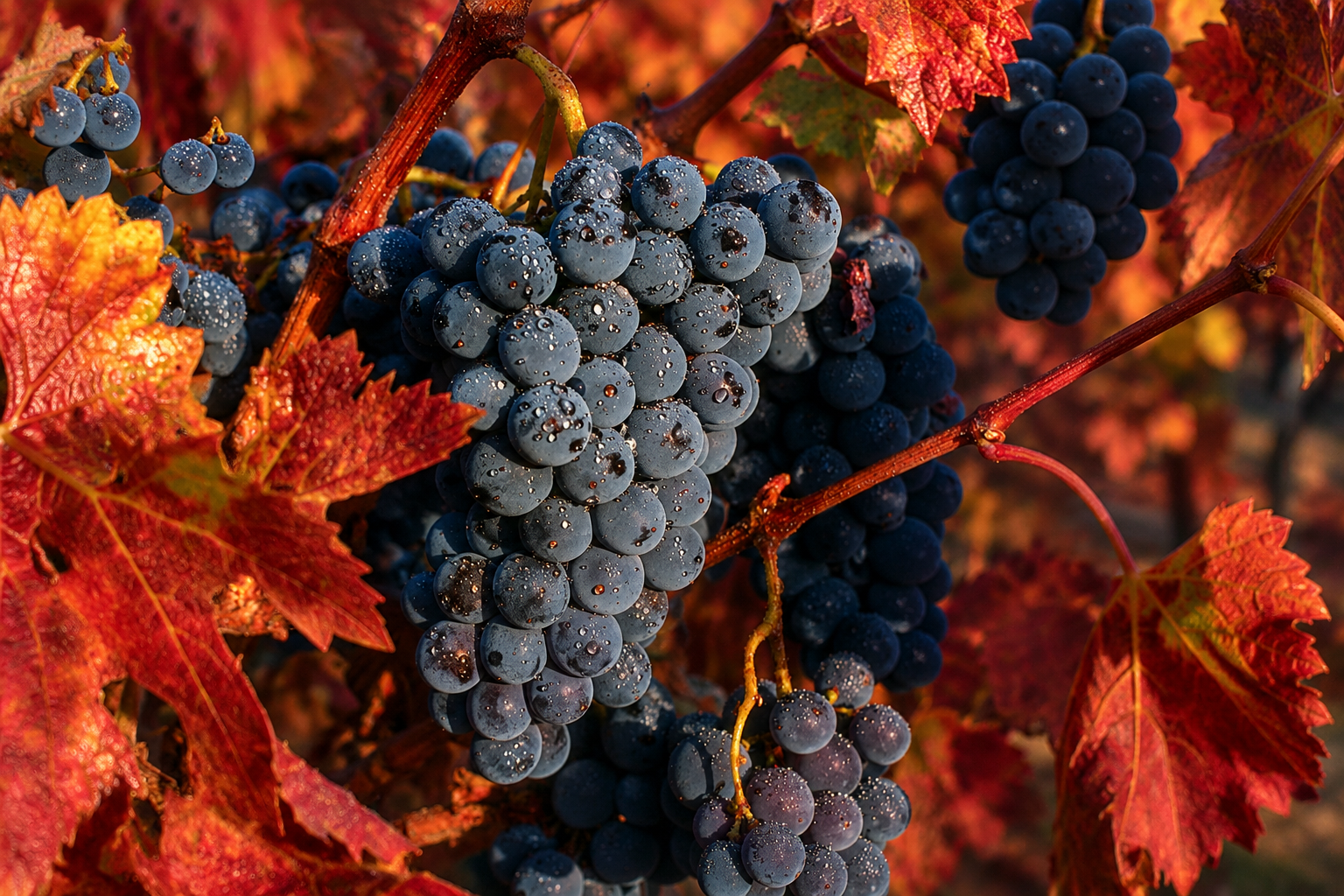
Grapes are vigorous, long-lived climbing vines that are prized for their sweet, juicy fruit and their ability to add beauty, shade, and vertical interest to the landscape. Whether grown for fresh eating, juice, jelly, or wine production, grape vines can provide abundant harvests for many years when planted in the right location. Concord grapes are particularly valued for their exceptional cold hardiness and rich flavour, making them an excellent choice for Canadian gardens. Their attractive growth habit also makes them ideal for covering fences, trellises, pergolas, and arbors.
Common Name
Grape Vine
Botanical Name
Vitis spp.
Sun Exposure
Full Sun
Light Requirements
6+ hours daily
Harvest Season
August through October
Mature Spread
2 to 2.5 m (6 to 8 ft)
Hardiness Zone
Zone 2-4
Growth Habit
Vigorous climbing deciduous vine
How to Plant Grape Vines
When to Plant
Grape vines should be planted in spring after the danger of severe frost has passed. In most regions, planting can take place between May and July, allowing the vine sufficient time to establish a strong root system before winter arrives.
Where to Plant
Choose a location that receives full sun throughout most of the day. Grapes thrive in warm, sheltered areas with good air circulation and benefit from being planted near a fence, trellis, arbor, pergola, or other sturdy support structure. A sunny southern or western exposure is ideal for maximizing fruit production and ripening.
Spacing & Planting Depth
Plant grape vines approximately 2 to 3 metres (6 to 10 feet) apart to provide adequate room for future growth and airflow. Before planting, loosen the soil to a depth of approximately 60 cm (2 feet) to encourage strong root development. Position the vine at the same depth it was growing in its nursery container and backfill with well-prepared soil.
Companion Plants
Grape vines grow well alongside herbs and flowering plants that attract pollinators and beneficial insects. Lavender, yarrow, oregano, thyme, chives, and marigolds make excellent companions. These plants help support a healthy garden ecosystem while adding visual interest around the base of the vine.
Important Considerations
Grapes require a strong support system from the time they are planted. Trellising and training young vines early will help establish an organized structure that improves airflow, sunlight penetration, and future fruit production. While grape vines may produce a few clusters during their first year, larger harvests typically begin after the plant becomes well established. If the vine is being grown primarily for privacy or shade, less aggressive pruning may be used, but regular pruning is necessary for maximum fruit production.
Care Instructions
Light
Grapes perform best when grown in full sun and should receive at least six hours of direct sunlight each day. Increased sunlight exposure encourages sweeter fruit, stronger growth, and improved disease resistance.
Soil
Grape vines prefer light, fertile soil with excellent drainage. Soils that are rich in organic matter and moderately fertile will support healthy growth and fruit development. Heavy, poorly drained soils should be improved with compost or other organic materials before planting.
Water
Newly planted grape vines should be watered regularly throughout their first growing season to maintain consistently moist soil while roots become established. Once mature, grape vines become relatively drought tolerant and generally require less frequent watering. Overwatering should be avoided, as excessively wet soil can contribute to root problems and disease.
Temperature & Humidity
Most grape varieties thrive in regions with warm summers and cold winters. Hardy varieties such as Concord grapes tolerate harsh winter conditions exceptionally well. Good air circulation around the vines is important, particularly in humid climates, as it helps reduce the risk of fungal diseases.
Fertilizer
Grape vines benefit from an annual application of compost or well-rotted manure in early spring. This provides a steady supply of nutrients while improving soil structure. Excessive nitrogen fertilizer should be avoided, as it can encourage vigorous leafy growth at the expense of fruit production.
Important for Consideration
Annual pruning is one of the most important aspects of grape care. Grapes produce fruit on new growth that develops from one-year-old wood, making proper pruning essential for maintaining productivity. Training vines along wires, fences, or trellises helps improve fruit quality, simplifies harvesting, and promotes healthier growth. Applying a layer of mulch around the base of the plant helps conserve moisture, regulate soil temperature, and suppress weeds. Keep mulch several centimetres away from the main stem to prevent rot.
Harvesting Instructions
When to Harvest
Grapes are typically harvested from late summer through fall, with most varieties ripening between August and October. The exact harvest time will vary depending on the variety, weather conditions, and local climate.
Harvesting Tips
Unlike many fruits, grapes do not continue ripening after they are picked. Harvest should therefore be delayed until the grapes have reached their full colour, sweetness, and flavour. Taste-testing is often the best indicator of readiness. Use clean pruning shears or scissors to remove entire grape clusters from the vine without damaging the stems.
Vine & Fruit Management
Throughout the growing season, occasional thinning of overcrowded clusters may improve fruit size, airflow, and overall quality. Summer pruning can also help direct the plant’s energy toward fruit production while reducing excessive vegetative growth.
Important for Consideration
Birds, wasps, and other wildlife are often attracted to ripening grapes. Protective netting may be necessary to prevent crop loss. Most grape vines begin producing meaningful harvests within two to three years of planting and can remain productive for decades when properly maintained.
Growing in Pots and Containers
Container Growing
Grapes can be successfully grown in large containers when adequate support and care are provided. Choose a sturdy container with excellent drainage and enough volume to accommodate the plant’s extensive root system. A trellis, stake, or other support structure should be installed at planting time to guide growth.
Watering & Maintenance
Container-grown grape vines generally require more frequent watering than those planted in the ground because soil in pots dries out more quickly. Regular watering and periodic feeding throughout the growing season will help maintain healthy growth and fruit production. Annual pruning remains essential to control size and encourage fruiting.
Training Young Vines
Young grape vines should be trained onto their support structure from an early age. Establishing a strong framework during the first few years helps create an organized vine that is easier to manage, maintain, and harvest in future seasons.
Important for Consideration
Because root space is limited in containers, grape vines may eventually require repotting or root pruning every few years. Container-grown vines may also produce slightly smaller harvests than those grown in the ground, but they can still be highly productive when properly cared for.
Overwintering Instructions
Winter Protection
Established grape vines are generally very hardy and require little winter protection. Applying a layer of mulch around the root zone in late fall can help moderate soil temperatures and protect roots from repeated freeze-thaw cycles. Young vines may benefit from additional protection during their first few winters, particularly in colder regions.
Overwintering Container Plants
Container-grown grape vines are more susceptible to winter damage because their roots are exposed to colder temperatures than those planted in the ground. Containers should be moved to a protected location such as an unheated garage, shed, or sheltered area whenever possible. Water sparingly during dormancy, ensuring the soil does not completely dry out.
Common Pests and Plant Diseases
Common Disease Issues
Grape vines can occasionally be affected by fungal diseases, particularly when airflow is poor or humidity levels are high. Powdery mildew is one of the most common problems and appears as a white, powdery coating on leaves and fruit. Downy mildew can cause yellow spotting and premature leaf drop, while black rot may result in dark lesions on foliage and shrivelled fruit. Gray mold, also known as Botrytis, can develop during prolonged periods of wet weather and may affect ripening clusters. Proper spacing, annual pruning, good air circulation, and avoiding overhead watering can significantly reduce disease pressure.
Common Garden Pests
Several pests may occasionally feed on grape vines. Aphids often gather on young shoots and leaves, while spider mites may become problematic during hot, dry weather. Japanese beetles can feed heavily on foliage and reduce plant vigour if left unmanaged. Birds and wasps are particularly attracted to ripening fruit and are often the most significant challenge near harvest time. Regular monitoring and protective netting can help minimize damage and ensure a successful harvest.