
How to Grow and Care for Blueberries
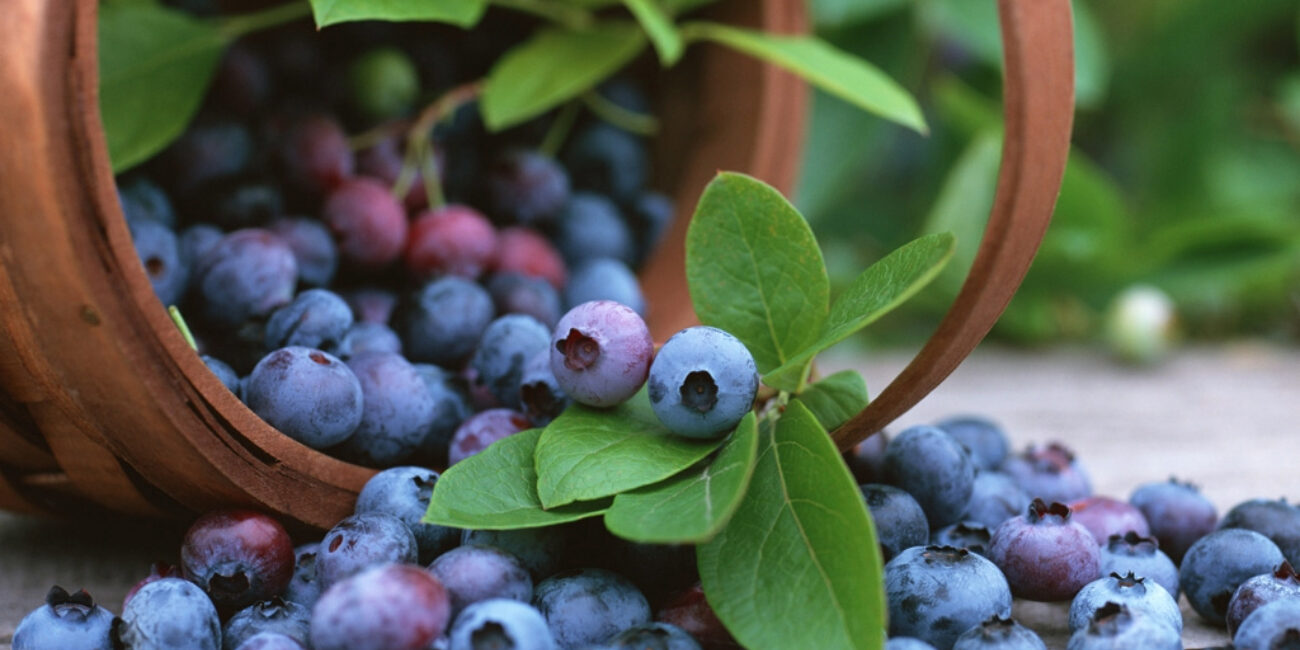
Blueberries are a rewarding and long-lived fruiting shrub prized for their sweet berries, ornamental foliage, and exceptional health benefits. In spring, blueberry bushes produce delicate white to pink bell-shaped flowers, followed by clusters of berries that ripen through summer. Their foliage turns brilliant shades of red and burgundy in fall, adding seasonal interest to the garden. Freshly picked blueberries are excellent for eating fresh, baking, preserves, smoothies, and freezing.
Common Name
Blueberry
Botanical Name
Vaccinium spp.
Sun Exposure
Full Sun
Light Requirements
6+ hours
Harvest Season
Mid to Late Summer
Mature Spread
1–2.5 m (3–8 ft.)
Hardiness Zone
Zones 2–7
Growth Habit
Upright, bushy
How to Plant Blueberries
When to Plant
Blueberries are best planted in early spring or fall when temperatures are cooler and the soil is easier to work with. Spring planting is often preferred in colder climates to allow roots time to establish before winter.
Where to Plant
Choose a location with full sun and well-drained soil. Blueberries require acidic soil conditions to thrive and perform best in soil with a pH between 4.5 and 5.5. Avoid planting in heavy clay soils or areas where water tends to collect after rainfall.
Spacing & Planting Depth
Space blueberry plants approximately 1–2 m (3–6 ft.) apart depending on the mature size of the variety. Plant at the same depth they were growing in their nursery container. After planting, apply a generous layer of mulch around the base to help retain moisture, suppress weeds, and regulate soil temperature.
Companion Plants
Blueberries pair well with other acid-loving plants such as rhododendrons, azaleas, heather, and lingonberries. They can also be planted near pollinator-friendly flowers to encourage bee activity during bloom time.
Other Important Considerations
Although many blueberry varieties are self-pollinating, planting two different varieties nearby greatly improves pollination, berry size, and overall harvest yields. Good air circulation around the plants also helps reduce disease pressure and promotes healthier growth.
Care Instructions
Light
Blueberries require full sun for the best fruit production and strongest growth. While plants may tolerate partial shade, too little sunlight can reduce flowering and berry production.
Soil
Proper soil conditions are one of the most important factors for success with blueberries. They require acidic, organically rich, well-drained soil. Mixing peat moss, composted bark, or other organic matter into the planting area can help improve both acidity and drainage.
Water
Blueberries prefer consistently moist soil, especially during flowering and fruit production. Newly planted bushes should be watered regularly during their first growing season. Avoid allowing the soil to dry out completely, but do not overwater, as soggy soil can lead to root problems.
Temperature & Humidity
Most blueberry varieties are very cold hardy and tolerate Canadian winters well. Plants appreciate moderate humidity and benefit from protection against harsh drying winds in exposed locations.
Fertilizer
Use a fertilizer formulated for acid-loving plants in early spring. Avoid over-fertilizing, especially with high-nitrogen fertilizers, as excessive growth can reduce fruit production and damage roots.
Anything Else Important for Consideration
Mulching is highly beneficial for blueberries. A layer of bark mulch, pine needles, or wood chips helps conserve moisture, regulate soil temperature, and gradually improve soil conditions over time. Pruning mature plants annually helps maintain productivity and encourages larger fruit.
Harvesting Instructions
When to Harvest
Blueberries are ready to harvest when the berries turn fully blue and detach easily from the stem with a gentle touch. Depending on the variety and climate, harvest typically occurs from mid-summer through late summer.
Harvesting Tips
Allow berries to remain on the bush for several days after turning blue whenever possible, as this improves sweetness and flavour. Harvest gently to avoid bruising the fruit.
Important for Consideration
Birds are extremely attracted to ripening blueberries and can quickly strip plants of fruit. Bird netting may be necessary during harvest season to protect crops.
Growing Blueberries in Pots & Containers
Container Growing
Blueberries grow very well in containers, especially compact or patio varieties. Use a large container with excellent drainage and fill it with acidic potting soil designed for acid-loving plants.
Watering & Maintenance
Container-grown blueberries dry out more quickly than plants grown in the ground and require more frequent watering during warm weather. Monitor soil moisture closely during summer and avoid allowing containers to dry out completely.
Propagation
Blueberries are not typically propagated from runners. New plants are usually grown from cuttings or nursery propagation methods.
Important for Consideration
Container-grown blueberries benefit from occasional repotting as they mature. Refreshing the soil every few years helps maintain proper acidity and supports healthy root development.
Overwintering Instructions
Winter Protection
Established blueberry plants are generally very winter hardy. Applying mulch around the base in late fall helps insulate roots and protect against temperature fluctuations during winter.
Overwintering in Containers
Container-grown blueberries are more vulnerable to freezing temperatures because their roots are less insulated. Move containers to a sheltered location during winter whenever possible, or wrap containers with insulating material to protect the root system.
Common Pests and Plant Diseases
Common Disease Issues
Blueberries can occasionally experience issues such as root rot, powdery mildew, leaf spot, cane dieback, and fruit rot, especially in overly wet or poorly ventilated conditions. Proper spacing, good drainage, and consistent pruning help reduce disease pressure.
Common Garden Pests
Common pests include aphids, scale insects, spotted wing drosophila, and Japanese beetles. Birds are often the biggest challenge during fruiting season. Regular monitoring and early intervention help keep plants healthy and productive.