
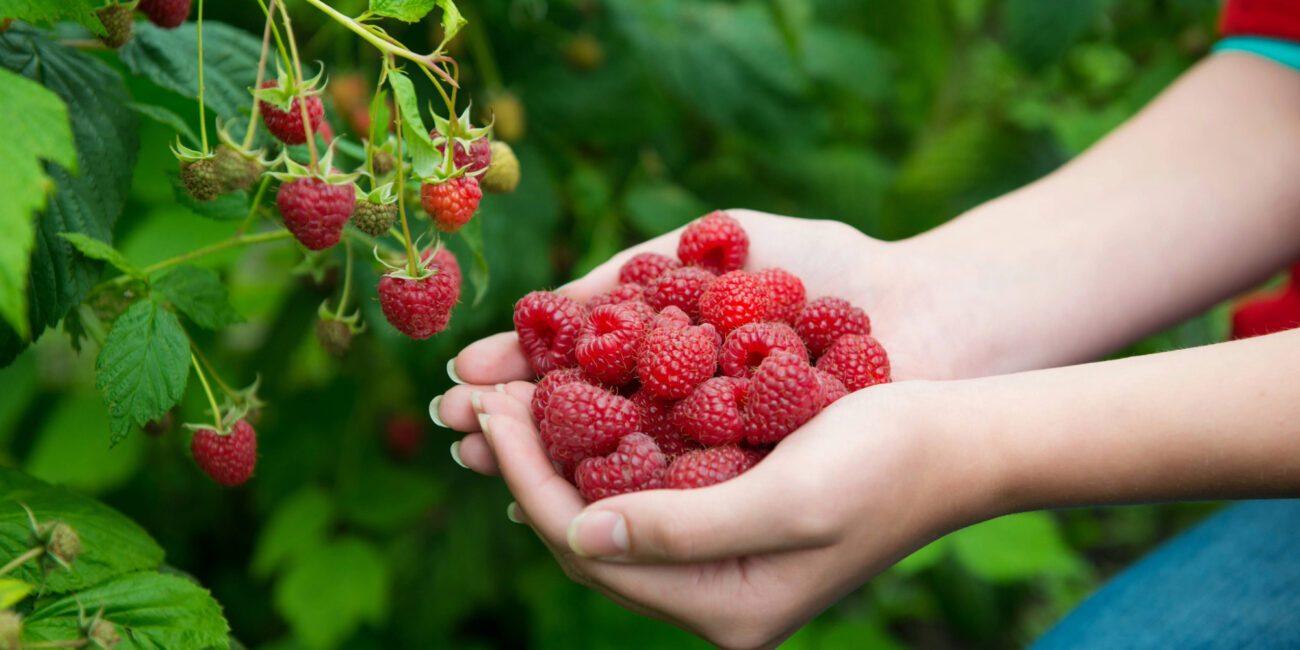
How to Grow and Care for Red & Yellow Raspberries
Raspberries are one of the easiest and most rewarding fruits to grow at home. Known for their sweet flavour, vigorous growth, and dependable harvests, raspberry plants produce generous crops of delicious berries year after year with only basic care.
Perfect for fresh eating, freezing, baking, and homemade jams, raspberries are a great addition to backyard gardens, raised beds, and edible landscapes. Once established, these hardy plants return every season with strong new growth and abundant summer fruit.
Common Name
Raspberry
Botanical Name
Rubus idaeus
Sun Exposure
Full Sun to Partial Shade
Light Requirements
3+ hours preferred
Harvest Season
June to August
Mature Spread
4 – 8 ft. tall, 3 – 5 ft. wide
Hardiness Zone
Zone 2–3
Growth Habit
Upright Cane
Planting Instructions
When to Plant
Plant raspberries in early spring after the danger of severe frost has passed. Cooler spring temperatures help plants establish strong roots before the heat of summer arrives.
Selecting a Site
Choose a location that receives at least 6 hours of direct sunlight daily. Raspberries grow best in fertile, well-drained soil with good air circulation.
Avoid low-lying areas where water may collect, as overly wet soil can lead to root problems. Adding compost or organic matter before planting can help improve soil structure and drainage.
Using a trellis or support system is recommended to help keep canes upright, improve airflow, and make harvesting easier.
Spacing and Depth
Dig a hole wide enough to comfortably spread the roots.
Place the plant at the same depth it was growing in the nursery pot, then backfill with soil and water thoroughly.
Space raspberry plants far enough apart to allow for future cane growth and good airflow between plants.
For first-year plants:
Cut canes back to approximately 15 cm (6 inches) after planting
Allow the plant to establish during the first season
Avoid heavy pruning during initial growth
Apply mulch around the base of the plants to help retain moisture and suppress weeds.
Care Instructions
Light
Raspberries grow best in full sun and produce the highest yields when they receive at least 6 to 8 hours of direct sunlight daily. They can tolerate partial shade, but fruit production may be reduced.
Soil
Raspberries prefer fertile, well-drained soil rich in organic matter. Soil should remain consistently moist but never waterlogged.
Adding compost or mulch annually helps improve soil structure, retain moisture, and support healthy root growth.
Water
Keep newly planted raspberries consistently moist during their first growing season.
Established plants benefit from deep watering during dry periods, especially while flowering and producing fruit. Avoid allowing the soil to completely dry out during hot summer weather.
Be careful not to overwater, as soggy soil can lead to root problems.
Temperature and Humidity
Raspberries are very cold hardy and perform well in cooler climates. Most varieties tolerate cold winters and mild summer temperatures exceptionally well.
Good air circulation around the plants helps reduce humidity-related disease issues and encourages healthy cane growth.
Pruning
Raspberry canes typically produce fruit in their second year. After fruiting, older canes that have already produced berries should be removed at ground level.
Each season: Remove dead, damaged, or weak canes
Select approximately 6 to 8 strong new canes for future fruit production
Thin overcrowded growth to improve airflow and sunlight penetration
Regular pruning helps maintain healthy plants and encourages better berry production.
Fertilizer
Feed raspberry plants in early spring with compost or a balanced fertilizer to encourage healthy growth and strong fruit production.
Avoid excessive nitrogen, which may produce lush foliage but fewer berries.
Harvesting Instructions
When to Harvest
Raspberries are typically ready to harvest from early summer through late summer, depending on the variety and growing conditions. Berries are ready to pick when they develop full colour and easily separate from the plant with a gentle pull.
Harvesting Tips
Pick raspberries regularly during the harvest season to encourage continued production and prevent fruit from becoming overripe. Fresh raspberries are delicate and should be handled gently to avoid bruising.
For best flavour, harvest berries during the cooler parts of the morning when temperatures are lower.
Growing Raspberries in Containers
Container Growing
Raspberries can successfully grow in large containers when given the right conditions. Choose a large pot with drainage holes and use a high-quality potting mix that retains moisture while still draining well. Place containers in a sunny location for best fruit production.
Using a support or trellis system is recommended to help support the canes as they grow.
Watering & Maintenance
Container-grown raspberries typically require more frequent watering than plants grown in the ground, especially during hot summer weather. Keep the soil consistently moist but not waterlogged.
During the growing season, container-grown raspberries should be fed regularly with a balanced fertilizer and monitored closely for soil moisture during warm weather. Old fruiting canes should be pruned after harvest, and weak or damaged growth can be removed as needed. In colder climates, containers may require additional winter protection to help prevent root damage from freezing temperatures.
Growing from Suckers
Unlike strawberries, raspberries spread through underground shoots called suckers rather than runners.
New shoots may emerge near the base of established plants and can be carefully transplanted to expand your raspberry patch or start new plants.
For best results, transplant young shoots during cooler spring or fall weather.
Overwintering
Winter Protection
Raspberries are very cold hardy and can survive Canadian winters with minimal protection once established.
In colder regions, applying mulch around the base of the plants in late fall can help protect the roots from repeated freeze-thaw cycles during winter. Removing old fruiting canes before winter and keeping the growing area free of fallen plant debris will also help support healthy growth the following season. Plants should be well watered before freeze-up.
Overwintering Container Plants
Container-grown raspberries require additional winter protection because the roots are more exposed to freezing temperatures.
Before winter, container-grown raspberries should be moved to a sheltered location if possible and the pots insulated with burlap, mulch, or other protective material. During extended dry periods, water lightly if the soil becomes completely dry. Once spring temperatures begin to warm, winter protection can be removed and regular watering and fertilizing resumed.
Common Pests and Plant Diseases
Common Disease Issues
Raspberries are generally easy to grow, but they can occasionally experience disease issues, especially in overly wet or crowded growing conditions. Poor drainage may lead to root rot, while limited airflow around the canes can encourage fungal diseases and cane problems.
Planting raspberries in well-drained soil, spacing plants properly, and pruning regularly to improve airflow can help reduce the likelihood of disease. Removing old fruiting canes and fallen plant debris each season will also help keep plants healthy.
Common Garden Pests
Common garden pests that may affect raspberries include aphids, spider mites, and birds during the fruiting season. In most cases, healthy and well-maintained plants are less likely to experience serious pest problems.
Checking plants regularly throughout the growing season can help identify issues early. If birds become a problem while fruit is ripening, lightweight bird netting may help protect the harvest.