
How to Grow and Care for Honeysuckle Vine
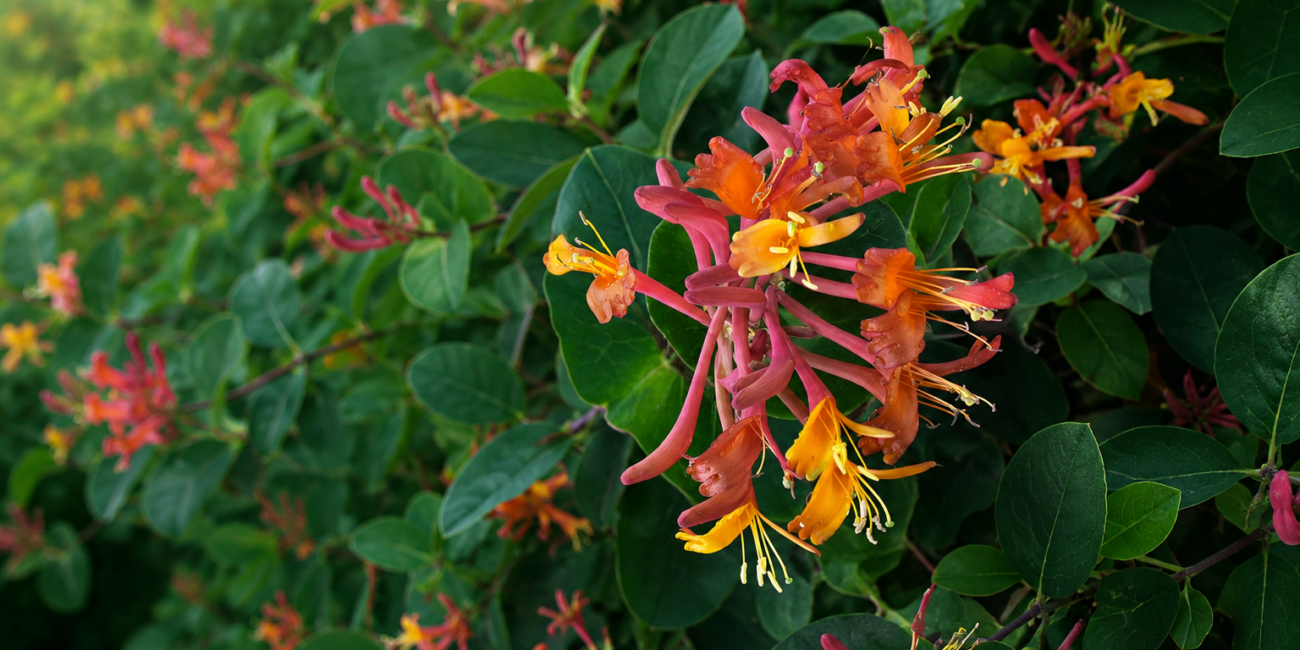
Honeysuckle vines are vigorous, easy-to-grow climbers prized for their fragrant, trumpet-shaped flowers and long blooming season. Their colourful blooms attract hummingbirds, butterflies, and other beneficial pollinators, making them a valuable addition to wildlife-friendly gardens. Honeysuckle can be trained to grow on trellises, fences, arbors, and pergolas, where it quickly creates vertical interest, privacy, and seasonal beauty. These hardy vines are adaptable to a wide range of growing conditions and are generally low maintenance once established. According to the plant tag, your Honeysuckle variety features the unique characteristics, flower colour, and growth habit specific to that selection, making it an attractive focal point in the landscape for years to come.
Common Name
Honeysuckle Vine
Botanical Name
Lonicera spp.
Sun Exposure
Full Sun to Partial Shade
Light Requirements
4 – 6 hours of direct sun
Flowering Season
Late Spring through Summer
Mature Spread
1.5 to 3 m (5 to 10 ft.)
Hardiness Zone
Zone 3 – 9
Growth Habit
Vigorous Climbing Vine
Planting Instructions
When to Plant
Plant honeysuckle vines in spring after the danger of severe frost has passed or in early fall while soil temperatures remain warm enough for root establishment.
Where to Plant
Choose a location with well-drained soil and a sturdy support structure such as a trellis, fence, arbor, pergola, or wall-mounted support system. Honeysuckle performs best when its roots remain cool and shaded while the upper growth receives plenty of sunlight.
Spacing & Planting Depth
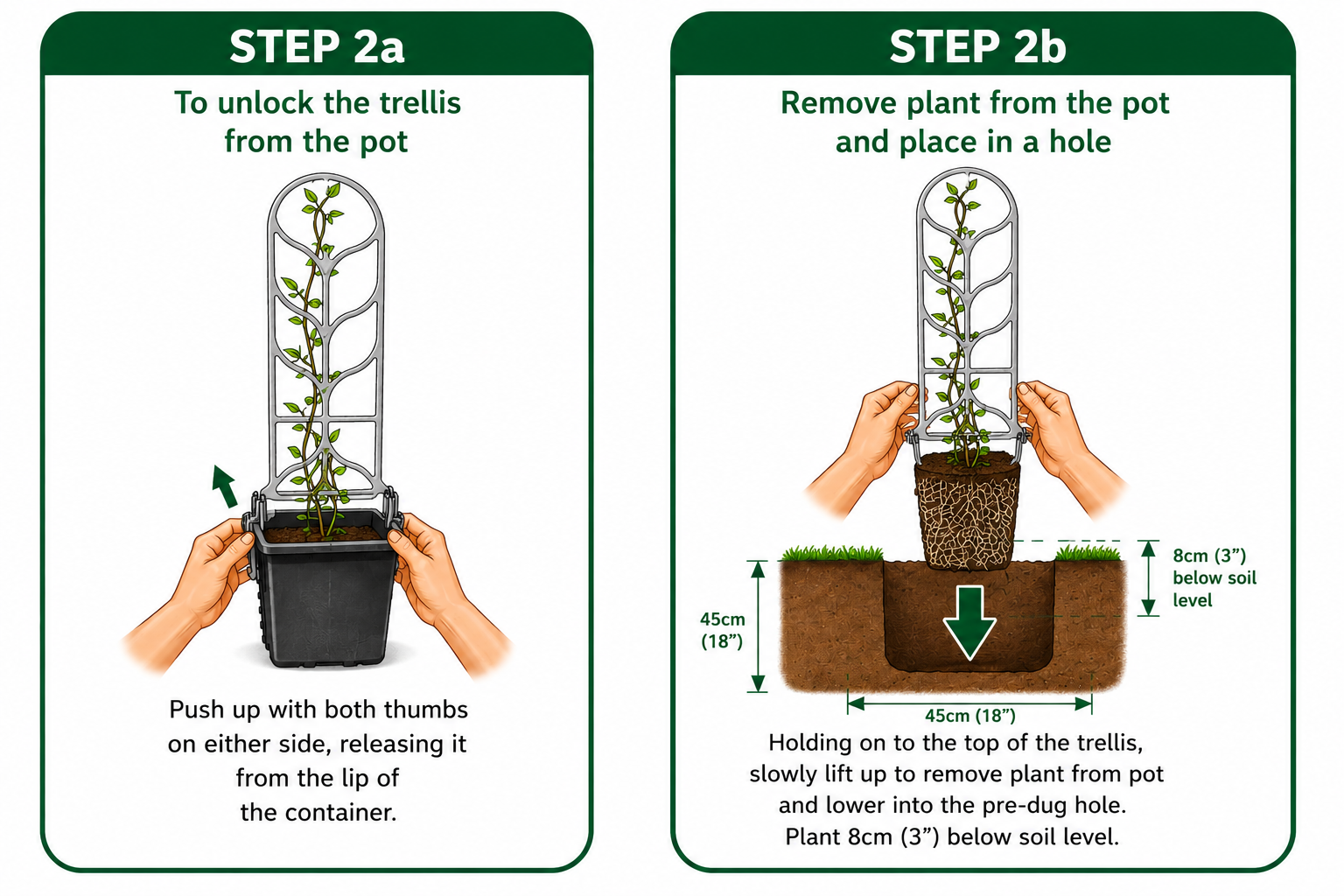
Space plants approximately 1.5 to 2 m (5 to 6 ft.) apart to allow for mature growth and adequate air circulation. Dig a hole twice as wide as the root ball and plant at the same depth as the nursery container.
Companion Plants
Honeysuckle pairs beautifully with clematis, climbing roses, hydrangeas, hostas, daylilies, ferns, and other cottage garden perennials.
Important Considerations
Install supports before planting whenever possible. Young vines should be gently tied to the support structure until they begin climbing naturally. Some varieties grow very vigorously and benefit from regular pruning to keep growth under control.
Care Instructions
Light
Honeysuckle flowers most heavily in full sun but will tolerate partial shade. Plants grown in shadier conditions may produce fewer blooms.
Soil
Grow in fertile, well-drained soil enriched with organic matter. Honeysuckle tolerates a wide range of soil types but performs best in slightly acidic to neutral soil.
Water
Water deeply and regularly during the first growing season. Once established, honeysuckle becomes moderately drought tolerant, although flowering remains best with consistent moisture.
Temperature & Humidity
Honeysuckle is highly adaptable and tolerates a broad range of temperatures and humidity levels. Established plants are extremely hardy throughout much of Canada and the northern United States.
Fertilizer
Apply a balanced slow-release fertilizer in early spring as new growth emerges. Avoid excessive nitrogen fertilization, which may encourage leafy growth at the expense of flowers.
Additional Care
Prune after flowering to maintain shape, remove dead or damaged growth, and encourage healthy branching. Regular pruning also improves air circulation and flowering performance.
Flowering & Pruning Instructions
When to Enjoy Blooms
Most honeysuckle varieties flower from late spring through summer, with some repeat-blooming selections continuing into early fall.
Flowering Tips
For the most abundant flowering, provide full sun, adequate moisture, and annual feeding. Removing spent blooms can encourage additional flowering in some varieties.
Managing Growth
Monitor vigorous stems and trim as needed to maintain the desired size and shape. Remove weak, tangled, or overcrowded growth to keep plants healthy and attractive.
Additional Considerations
Many varieties produce ornamental berries after flowering, which provide seasonal interest and can attract birds. Berries from ornamental honeysuckle varieties should not be consumed unless specifically identified as edible.
Growing in Pots and Containers
Container Growing
Honeysuckle can be successfully grown in large containers with drainage holes. Choose a container at least 45 cm (18 in.) wide and deep and provide a sturdy trellis or obelisk for support.
Watering & Maintenance
Container-grown plants require more frequent watering than garden-grown specimens. Water when the top few centimetres of soil become dry and fertilize regularly throughout the growing season.
Propagation from Cuttings
Honeysuckle is commonly propagated from softwood or semi-hardwood cuttings taken during spring or summer. Cuttings root readily in moist propagation media under warm conditions.
Additional Considerations
Repot every few years as roots fill the container. Prune regularly to maintain size and prevent the plant from becoming overcrowded.
Overwintering Instructions
Winter Protection
Established honeysuckle vines are very cold hardy and generally require little winter protection. Apply a layer of mulch around the base of the plant to help moderate soil temperatures and conserve moisture.
Overwintering Container Plants
Container-grown vines are more vulnerable to freezing temperatures. Move containers to a sheltered location or insulate the pot with burlap, mulch, or other protective materials. Water occasionally during winter when temperatures are above freezing and the soil becomes dry.
Common Garden Pests
Common pests include aphids, spider mites, scale insects, and occasionally Japanese beetles. Inspect plants regularly and treat infestations early using appropriate horticultural controls.