
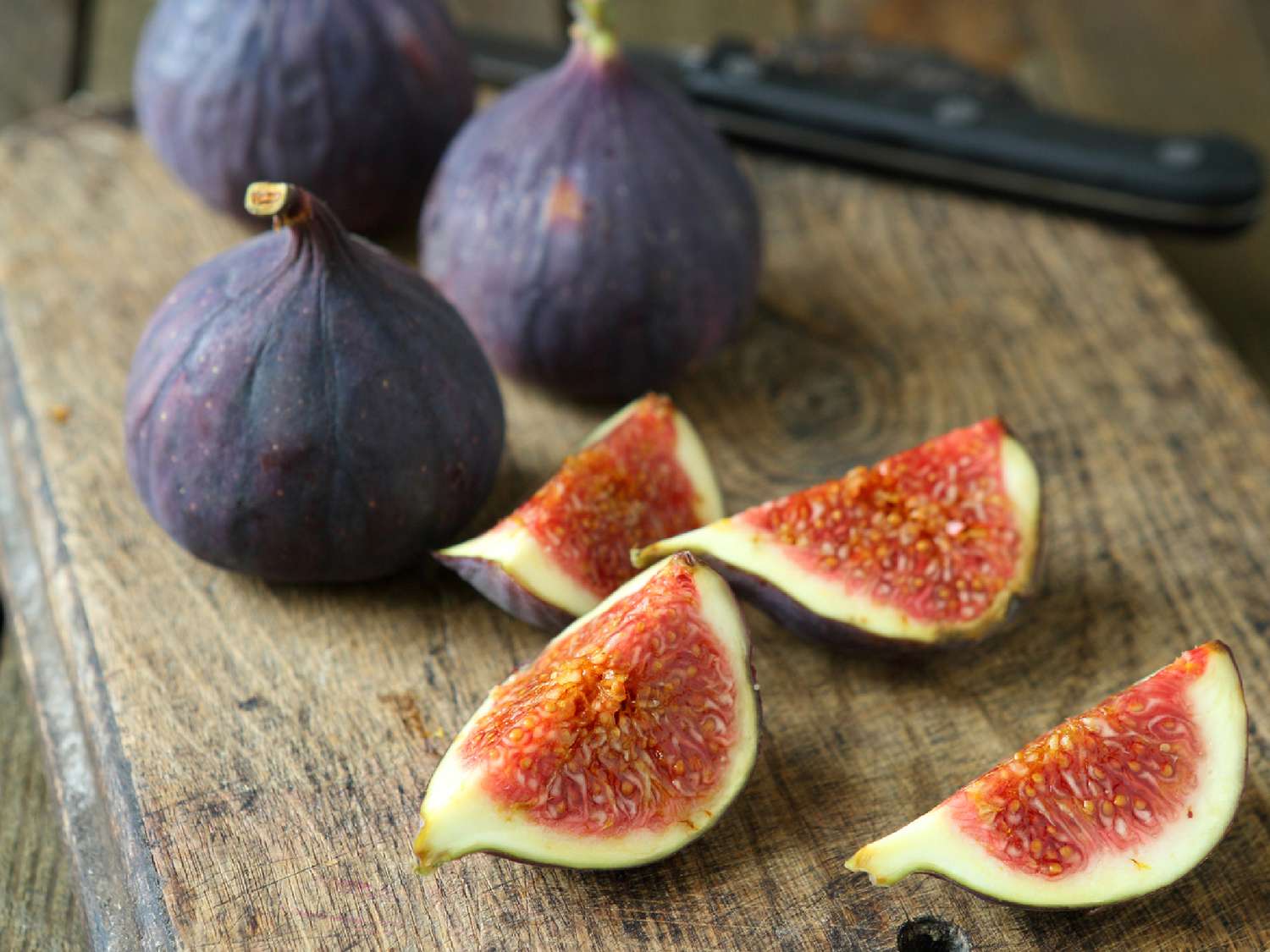
How to Grow and Care for Your Fig Tree
Fig trees are cherished for their delicious fruit, attractive foliage, and Mediterranean charm. Compact and productive, dwarf fig varieties are particularly well suited to patios, decks, and smaller garden spaces where they can provide both ornamental appeal and a generous harvest. This variety produces sweet, medium-sized figs multiple times throughout the growing season and is self-pollinating, making it an excellent choice for gardeners who want reliable fruit production without the need for a second tree. According to the plant tag, it is especially well suited to container growing and can be moved indoors during winter in colder climates.
Common Name
Fig Tree
Botanical Name
Ficus carica
Sun Exposure
Full Sun
Light Requirements
6+ hours of direct sun
Harvest Season
July to September
Mature Size
Approx. 75 cm (30 inches)
Hardiness Zone
Zone 7
Growth Habit
Upright, compact deciduous fruit tree
Planting Instructions
When to Plant
Fig trees are best planted in spring after the risk of severe frost has passed and the soil has begun to warm. In regions with mild winters, they may also be planted in early fall, allowing the roots time to establish before cooler weather arrives.
Where to Plant
Choose the warmest and sunniest location available in the garden. Fig trees thrive in areas that receive full sun throughout the day and benefit from the extra warmth provided by south-facing walls, fences, patios, or other sheltered locations. A protected site helps maximize fruit production and improves winter survival in cooler climates.
Spacing & Planting Depth
When planting in the ground, allow approximately 1.5 to 2 metres (5 to 6 feet) of space around the tree to accommodate future growth and maintain good air circulation. Dig a planting hole that is at least twice as wide as the container and deep enough so that the original soil level of the plant remains even with the surrounding ground after planting. Firm the soil gently around the roots and water thoroughly to eliminate air pockets.
Companion Plants
Fig trees pair well with Mediterranean herbs such as lavender, rosemary, thyme, and sage, all of which enjoy similar growing conditions. Low-growing pollinator-friendly perennials can also be planted nearby to attract beneficial insects while helping create an attractive edible landscape.
Important Considerations
Applying a layer of mulch around the base of the tree helps conserve moisture, regulate soil temperature, and suppress weed growth. Mulch should be kept several centimetres away from the trunk to prevent moisture-related issues. In colder regions, many gardeners choose to grow figs in containers so they can be moved to a protected location during winter.
Care Instructions
Light
Fig trees require full sun to produce the highest quality fruit. A minimum of six hours of direct sunlight is necessary, although eight or more hours will result in stronger growth, heavier crops, and sweeter fruit.
Soil
Well-draining soil is essential for healthy fig trees. They perform best in fertile loam enriched with organic matter but are adaptable to a range of soil types provided excess water drains away efficiently. Poorly drained soils can lead to root problems and reduced vigour.
Water
Newly planted fig trees should be watered regularly throughout their first growing season to help establish a strong root system. Once established, they become relatively drought tolerant and generally require less frequent watering. Deep, thorough watering during prolonged dry periods will help support healthy fruit development. Care should be taken to avoid excessive watering, which may lead to root rot or fruit splitting.
Temperature & Humidity
Fig trees thrive in warm summer conditions and prefer relatively dry air. While mature plants can tolerate brief periods of cold weather, prolonged freezing temperatures may damage branches or roots. Warm, sunny locations typically produce the best harvests and healthiest growth.
Fertilizer
A balanced fertilizer applied in early spring will support healthy growth and fruit production. Trees growing in containers may benefit from additional feeding throughout the growing season because nutrients are gradually depleted from potting soil. Excessive nitrogen should be avoided, as it can encourage leafy growth at the expense of fruit production.
Additional Care Considerations
Fig trees require relatively little pruning once established. Light pruning in late winter or early spring can be used to remove dead, damaged, or overcrowded branches and maintain an attractive shape. Good airflow throughout the canopy helps reduce disease pressure and improves fruit quality.
Harvesting Instructions
When to Harvest
Figs are typically ready to harvest from July through September, depending on local growing conditions and weather patterns. Many dwarf varieties produce fruit over an extended period, allowing gardeners to enjoy several harvests throughout the season.
Harvesting Tips
Ripe figs should be harvested when they become soft to the touch, develop their full colour, and begin to droop slightly from the stem. Unlike many fruits, figs do not continue ripening significantly after being picked, so it is important to allow them to fully mature on the tree before harvesting. The fruit should be handled gently, as ripe figs bruise easily.
Fruit Production Management
Fig trees naturally regulate their fruit production and do not produce runners or suckers that require routine management. If vigorous shoots emerge from the base of the tree, they can be removed to direct the plant’s energy into fruit production and maintain a tidy appearance.
Other Important Considerations
Birds and other wildlife are often attracted to ripe figs. Netting or other protective measures may be necessary if fruit loss becomes a concern. Fresh figs have a relatively short storage life and are best enjoyed shortly after harvest.
Growing in Pots and Containers
Container Growing
Fig trees are exceptionally well suited to container growing and are often more manageable in pots than when planted directly in the ground. A large container with drainage holes and high-quality potting mix will provide the best results. Container growing also offers the advantage of mobility, allowing the plant to be relocated as needed throughout the year. According to the plant tag, this variety is ideal for growing in containers.
Watering & Maintenance
Container-grown figs require more frequent watering than plants grown in the ground because potting soil dries out more quickly. The soil should remain consistently moist but never saturated. Regular feeding throughout the growing season will help support healthy growth and fruit production.
Root Management
Because fig trees naturally develop extensive root systems, they may eventually become root-bound in containers. Repotting every few years or occasional root pruning can help maintain plant health and encourage continued productivity.
Other Important Considerations
Container-grown fig trees often produce excellent crops because slight root restriction can encourage fruiting. Rotating the container periodically will help ensure even exposure to sunlight and balanced growth.
Overwintering Instructions
Winter Protection
In regions where winter temperatures regularly fall below the plant’s hardiness range, protection may be necessary. A thick layer of mulch around the root zone can help insulate roots, while wrapping exposed branches with burlap may provide additional protection from cold winds and freezing temperatures.
Overwintering Container Plants
Container-grown fig trees should be moved indoors or into a protected, frost-free location before severe winter weather arrives. An unheated garage, cool basement, greenhouse, or similar sheltered space is often suitable. During dormancy, the tree may lose its leaves, which is completely normal. Water should be reduced during this period, although the soil should not be allowed to dry out entirely. The plant tag specifically recommends moving container-grown figs indoors during winter in colder climates.
Common Pests and Plant Diseases
Common Disease Issues
Fig trees are generally resilient and trouble-free when grown in suitable conditions. However, overly wet soils can lead to root rot, while poor airflow may occasionally contribute to fungal diseases such as rust or leaf spot. Inconsistent watering during fruit development can sometimes cause fruit splitting.
Common Garden Pests
Common pests that may affect fig trees include aphids, spider mites, and scale insects. Birds, wasps, and squirrels may also be attracted to ripening fruit. Regular inspection of the plant and maintaining healthy growing conditions will help prevent most pest and disease problems before they become serious.