
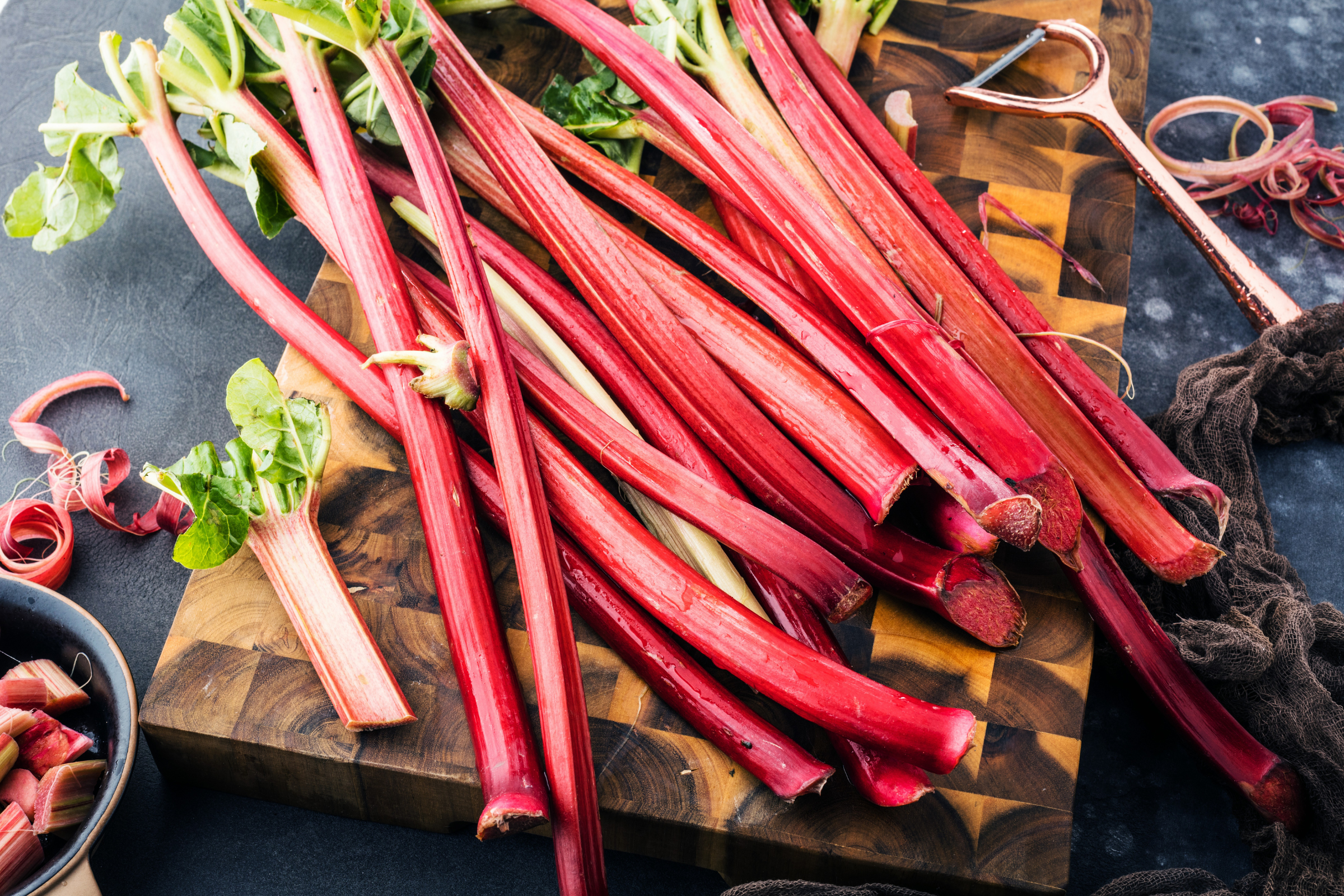
How to Grow and Care for Rhubarb
Rhubarb is a hardy, long-lived perennial grown for its thick, edible stalks, which are prized for baking, preserves, sauces, and desserts. This variety produces attractive cherry-red stalks that retain their vibrant colour when cooked. According to the plant tag, the stalks are notably sweet and tender compared to many traditional rhubarb varieties, making them particularly well suited for pies and other culinary uses. Once established, rhubarb can remain productive in the garden for many years with minimal maintenance.
Common Name
Rhubarb
Botanical Name
Rheum rhabarbarum
Sun Exposure
Full Sun to Partial Shade
Light Requirements
4 – 6+ hrs daily
Harvest Season
May to June
Mature Spread
60 – 75 cm (24 – 30 in)
Hardiness Zone
Zone 2–3
Growth Habit
Clump-forming Perennial
Planting Instructions
When to Plant
Rhubarb is best planted in early spring as soon as the soil can be worked, although fall planting is also successful in many regions. Spring planting allows the roots to establish before the heat of summer arrives.
Where to Plant
Choose a location that receives at least four hours of direct sunlight each day, although full sun will generally produce the strongest growth and highest yields. Rhubarb appreciates a permanent location in the garden, as mature plants dislike frequent disturbance and can remain productive for a decade or more.
Spacing & Planting Depth
Space plants approximately 75 cm (30 inches) apart to provide adequate room for the large crowns and broad foliage that develop over time. Plant crowns with the buds positioned just below the soil surface, ensuring they are not buried too deeply.
Companion Plants
Rhubarb grows well alongside strawberries, asparagus, onions, garlic, and many perennial herbs. These plants have similar growing requirements and can help make efficient use of garden space while providing seasonal interest and harvests.
Other Important Considerations
Rhubarb grows successfully in most garden soils, but incorporating generous amounts of compost or well-rotted manure before planting will encourage stronger growth and larger harvests. Because rhubarb is a perennial crop, preparing the planting area thoroughly at the beginning will benefit the plant for many years. It is important to note that only the stalks are edible. Rhubarb leaves contain naturally occurring compounds that are toxic if consumed and should always be discarded.
Care Instructions
Light
Rhubarb performs best in full sun, where it develops sturdy stalks and vigorous growth. In warmer climates, some afternoon shade can help reduce heat stress during the hottest months of summer.
Soil
Rich, fertile, moisture-retentive soil with good drainage provides the best growing conditions. Although rhubarb adapts to a wide range of soil types, plants produce the most vigorous growth when organic matter is incorporated regularly. The plant tag specifically notes that adding well-decayed manure can significantly improve plant performance.
Water
Newly planted rhubarb should be kept consistently moist throughout its first growing season to encourage strong root development. Once established, plants become more drought tolerant and generally require less supplemental watering. Care should be taken to avoid overwatering, as excessively wet soil can lead to crown and root problems.
Temperature & Humidity
Rhubarb thrives in regions with cold winters and moderate summer temperatures. Winter dormancy is an important part of the plant’s natural growth cycle, and cold weather helps stimulate vigorous growth the following spring. High humidity is generally not problematic provided the plant has adequate air circulation.
Fertilizer
Apply compost, aged manure, or a balanced slow-release fertilizer in early spring as new growth emerges. An additional application of compost in autumn can help replenish soil nutrients and support healthy crown development for the following season.
Important for Consideration
Removing flower stalks as they appear helps direct the plant’s energy into producing larger, more productive edible stalks. A layer of mulch around the plant helps conserve soil moisture, suppress weeds, and moderate soil temperatures. Mature crowns can be divided every four to six years to rejuvenate growth and create additional plants. The plant tag notes that crowns become large enough to divide and replant as they mature.
Harvesting Instructions
When to Harvest
Harvesting typically begins from May through June. While stalks can be harvested during the first season, the plant tag notes that plants generally perform better over the long term when allowed to establish a strong crown before heavy harvesting begins.
Harvesting Tips
Harvest stalks by grasping them near the base and gently pulling while twisting. This removes the stalk cleanly from the crown and encourages continued production. Avoid cutting stalks whenever possible, as pulling helps reduce the chance of decay developing at the base of the plant.
Crown Division and Plant Renewal
Unlike strawberries or raspberries, rhubarb does not produce runners. Instead, mature crowns gradually enlarge and can be divided every few years to create new plants. Division is typically performed in early spring or fall when the plant is dormant.
Important for Consideration
Always leave at least three or four healthy stalks on the plant after harvesting. The plant tag specifically recommends maintaining several stalks to provide shade for the crown and support continued plant health. Avoid harvesting after midsummer, allowing the plant to rebuild energy reserves for the following growing season.
Growing Rhubarb in Containers
Container Growing
Although rhubarb is most productive when grown directly in the ground, it can also be successfully grown in large containers. Choose a pot that is at least 50 to 60 cm (20 to 24 inches) wide and deep to accommodate the plant’s substantial root system. Ensure the container has excellent drainage and is filled with high-quality, nutrient-rich potting mix.
Watering & Maintenance
Container-grown rhubarb typically requires more frequent watering than garden-grown plants because the soil dries out more quickly. Keep the soil evenly moist but never waterlogged. Regular feeding with compost or a balanced fertilizer will help support healthy growth throughout the growing season.
Growing from Crown Divisions
Rhubarb is most commonly propagated by dividing mature crowns rather than growing from seed. Divisions establish more quickly, maintain the characteristics of the parent plant, and provide a reliable method of producing new plants.
Important for Consideration
Container-grown plants may require repotting every few years as the crown expands. Refreshing the growing medium periodically helps maintain plant vigour and ensures continued productivity.
Overwintering
Winter Protection
Rhubarb is exceptionally cold hardy and naturally enters dormancy during winter. After frost has killed the foliage, remove any dead leaves and apply a layer of compost or mulch around the crown. This helps protect the root system while also enriching the soil as the organic material breaks down.
Overwintering Container Plants
Container-grown rhubarb requires additional protection because roots are more exposed to freezing temperatures than plants growing in the ground. Move containers to a sheltered location or insulate the pots during winter to help prevent repeated freeze-thaw cycles from damaging the crown.
Common Pests and Plant Diseases
Common Disease Issues
Rhubarb is generally a reliable and disease-resistant garden plant, but crown rot and root rot can occur in poorly drained soils. Leaf spot diseases may occasionally appear during extended periods of wet weather. Maintaining good drainage, proper spacing, and adequate airflow around plants helps minimize disease problems.
Common Garden Pests
Slugs and snails are the most common pests affecting rhubarb, particularly during cool, damp weather. Aphids may occasionally gather on new growth, while certain regions may experience damage from rhubarb curculio weevils. Regular inspection and prompt removal of damaged foliage help keep pest issues under control and maintain healthy, productive plants.