
How to Grow and Care for Currants
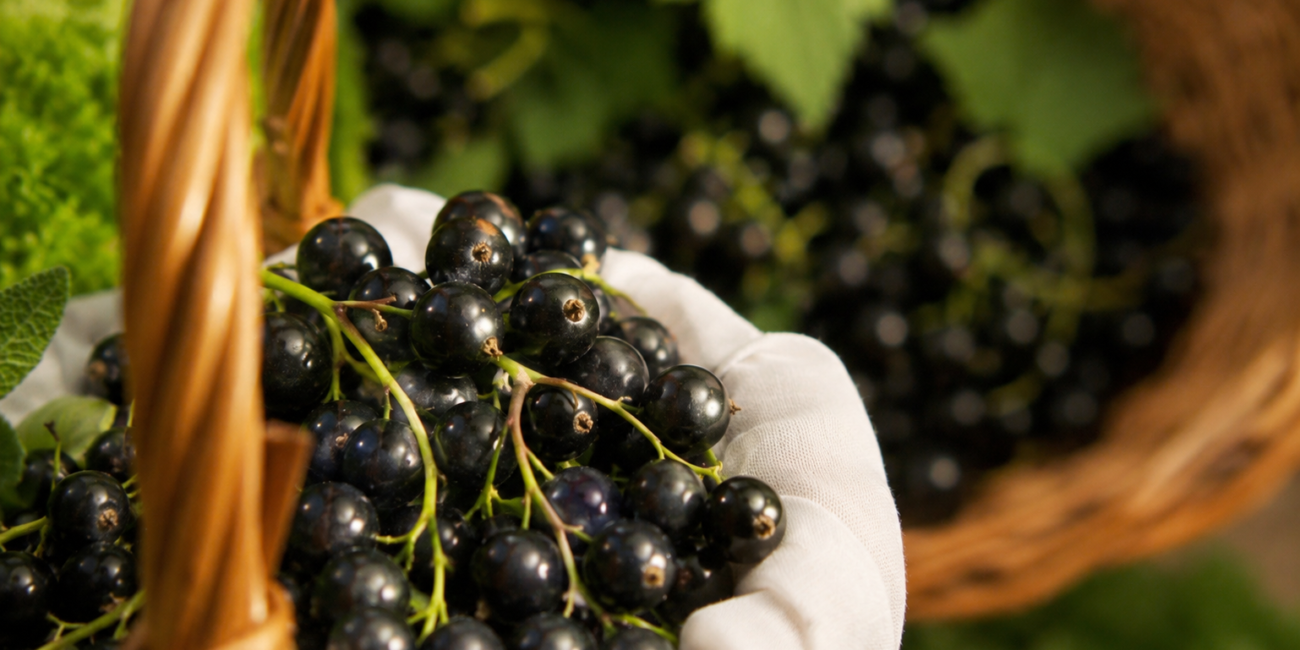
Currants are an exceptionally hardy fruiting shrub grown for its clusters of glossy black berries that offer a distinctive sweet-tart flavour. Crandall Currants produce abundant crops of large berries that are ideal for making jams, syrups, juices, wines, and preserves. The fruit is also highly nutritious, containing significantly more vitamin C than oranges. Mature plants are attractive landscape shrubs that combine ornamental appeal with reliable fruit production and can provide heavy harvests year after year when properly maintained.
Common Name
Currants
Botanical Name
Ribes nigrum
Sun Exposure
Full Sun to Partial Shade
Light Requirements
Min 3+ hours
Harvest Season
Late June through August
Mature Spread
3 to 4 ft (1 to 1.2 m)
Hardiness Zone
Zone 2 – 3
Growth Habit
Upright, deciduous fruiting shrub
Planting Instructions
When to Plant
Currants are generally easy to establish and can be planted successfully in either spring or fall. Both planting seasons produce similar results provided the plants receive adequate moisture during establishment.
Where to Plant
Choose an open location that receives full sun for the best fruit production. While Currants will tolerate partial shade, plants grown in sunnier locations typically produce larger crops and sweeter fruit. Areas with poor drainage or a high water table should be avoided, as excessive soil moisture can lead to root problems and reduced plant vigour.
Spacing & Planting Depth
Plant Currants approximately 4 to 5 feet apart to provide adequate air circulation and room for mature growth. The shrub should be planted at the same depth it was growing in its nursery container, with the root ball fully covered and the surrounding soil gently firmed after planting. Water thoroughly immediately after planting to help settle the soil around the roots.
Companion Plants
Currants grow well alongside other fruiting plants such as gooseberries, honeyberries, blueberries, and raspberries. They also pair nicely with pollinator-friendly perennials and flowering herbs that attract beneficial insects to the garden. Companion plants should not compete heavily for moisture or sunlight, as consistent growing conditions support the best fruit production.
Other Important Planting Considerations
Currants adapt to a wide variety of soil types and pH levels, although they perform best in deep, fertile loam enriched with organic matter and a slightly acidic soil pH. Applying organic mulch around the base of the plant is highly beneficial, as mulch helps suppress weeds, conserve moisture, and keep the root zone cooler during hot summer weather. High summer temperatures may cause premature fruit drop and can significantly reduce yields, making mulch especially valuable in warmer regions.
Care Instructions
Light
Currants perform best in full sun, where they produce the heaviest crops and the highest-quality fruit. They will also grow successfully in partial shade, particularly in regions with hot summers, where some afternoon shade can help reduce heat stress.
Soil
These shrubs are adaptable to many soil types but thrive in deep, moisture-retentive loam soils enriched with organic matter. A slightly acidic soil pH is generally recommended. Good drainage is essential, as prolonged wet conditions can negatively impact root health and overall plant performance.
Water
Newly planted Currants should be kept consistently moist throughout their first growing season to encourage strong root establishment. Once established, the plants become less demanding but still benefit from regular watering during dry periods and while fruit is developing. Care should be taken to avoid overwatering, as overly saturated soil can lead to root issues.
Temperature & Humidity
Currants are among the most cold-hardy fruiting shrubs available and are well suited to northern climates. They perform best in regions with cool summers and cold winters. Excessively hot summer temperatures can reduce fruit quality and cause berries to drop before they fully ripen. Mulching around the base of the plant helps moderate soil temperatures and maintain consistent moisture levels.
Fertilizer
Applying compost or a balanced slow-release fertilizer in early spring will support healthy growth and fruit production. Annual additions of organic matter help maintain soil fertility and improve moisture retention. Excessive nitrogen fertilization should be avoided, as it can encourage leafy growth at the expense of fruit production.
Important for Consideration
Currants produce their best fruit on one-year-old wood. To maintain strong yields, approximately one-third of the oldest stems should be removed each spring. This renewal pruning encourages vigorous new growth and ensures a continuous supply of productive young wood.
Harvesting Instructions
When to Harvest
Mature Currant plants begin producing fruit from late June through early August, depending on local growing conditions and climate. The berries ripen in clusters and should be allowed to reach a deep colour before harvesting.
Harvesting Tips
Harvest berries when they are fully coloured, slightly soft, and easily detach from the cluster. Entire clusters can be clipped from the plant and processed afterward, making harvesting faster and more efficient. Fully ripe berries develop the richest flavour and highest sugar content.
Managing Growth
Unlike strawberries or raspberries, Currants do not produce runners. Instead, maintaining productivity depends on regular pruning. Removing older stems each year encourages new shoots that will produce the highest-quality fruit in future seasons.
Important for Consideration
Mature Currant plants are capable of producing very heavy yields. The berries are exceptionally versatile and can be enjoyed fresh or used in jams, syrups, juices, desserts, wines, and preserves. Their naturally high vitamin C content makes them a nutritious addition to the home garden.
Growing in Pots & Containers
Container Growing
Currants can be grown successfully in large containers, making them suitable for patios, decks, and smaller garden spaces. Choose a container that is at least 18 to 24 inches wide and deep, with adequate drainage holes. A high-quality potting mix enriched with compost will provide the best growing environment.
Watering & Maintenance
Container-grown plants require more frequent watering than those grown in the ground because the soil dries out more quickly. Consistent moisture is especially important during flowering and fruit development. Annual feeding with compost or a balanced fertilizer will help maintain healthy growth and fruit production.
Pruning and Growth Management
Since Currants do not spread by runners, container maintenance focuses primarily on annual pruning. Older stems should be removed regularly to encourage fresh, productive growth and to maintain a manageable plant size.
Important for Consideration
Container-grown Currants may require repotting every few years as the root system expands. Refreshing the potting soil periodically helps maintain plant vigour and ensures continued fruit production.
Overwintering Instructions
Winter Protection
Currants are exceptionally winter hardy and generally require very little protection once established. Applying a layer of mulch around the base of the plant in late fall helps regulate soil temperatures and protect roots from repeated freeze-thaw cycles. In exposed locations, young plants may benefit from some protection from drying winter winds.
Overwintering Container Plants
Container-grown plants are more vulnerable to winter temperature fluctuations because their roots are exposed above ground. Containers should be moved to a sheltered location or insulated with mulch, burlap, or other protective materials. Occasional watering during prolonged dry periods can help prevent root damage when the soil is not frozen.
Common Pests and Plant Diseases
Common Disease Issues
Currants are generally reliable and long-lived shrubs, but they can occasionally be affected by powdery mildew, leaf spot diseases, rust, and root rot in poorly drained soils. Providing good air circulation, proper spacing, and consistent pruning can significantly reduce disease pressure.
Common Garden Pests
Aphids, spider mites, currant worms, and scale insects are among the most common pests that may occasionally affect Currant plants. Birds are also highly attracted to the ripe fruit and may feed heavily as harvest season approaches. Protective netting can be used to safeguard developing berries and maximize harvests.