
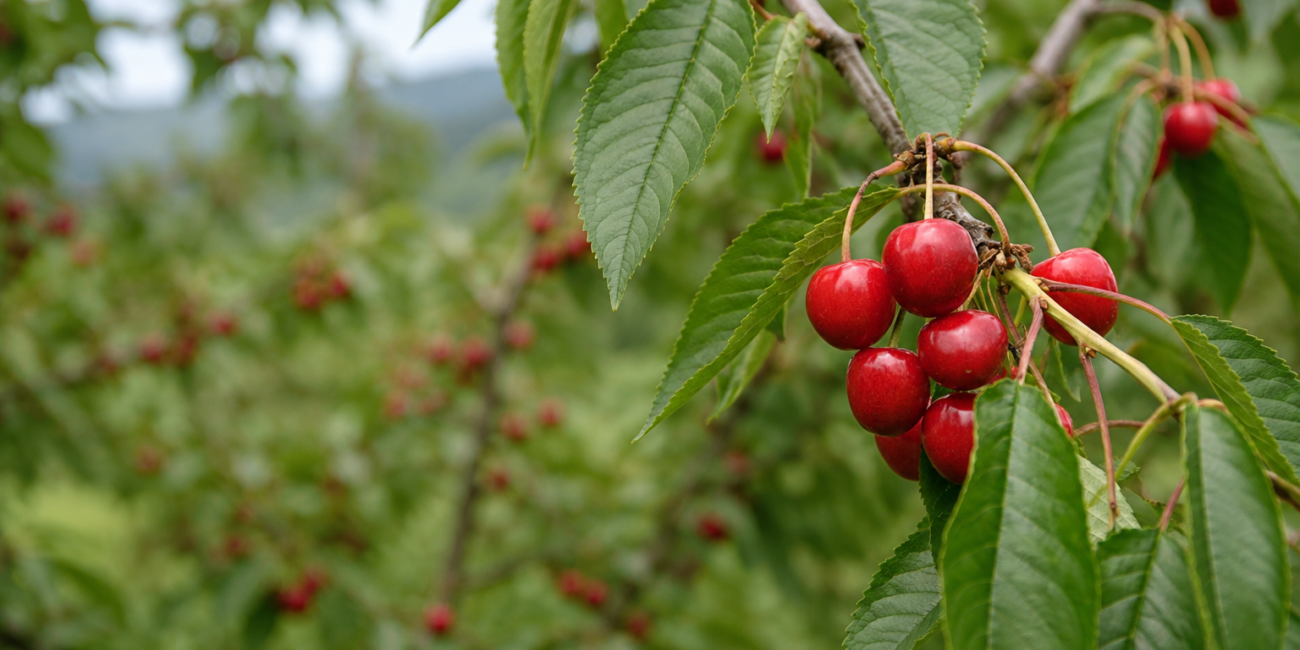
How to Grow and Care for Dwarf Cherries
This wonderful series of Dwarf Cherries are cold-hardy fruiting shrubs, developed as part of the University of Saskatchewan’s Romance Series. This compact cherry produces abundant crops of bright red fruit that are ideal for fresh eating, baking, preserves, sauces, and freezing. Unlike traditional cherry trees, it grows naturally as a dense multi-stem shrub, making it easier to maintain while still delivering impressive harvests. The fruit develops its best sweetness and flavour when allowed to ripen fully on the plant.
Dwarf Cherry
Prunus fruticosa × P. cerasus
Sun Exposure
Full Sun
3 to 8 hours daily
Harvest Season
Mid to Late Summer
Mature Spread
2.5 to 3 m (8 to 10 ft)
Hardiness Zone
Zone 2
Growth Habit
Compact, upright, multi-stem deciduous shrub
How to Plant Dwarf Cherries
When to Plant
Dwarf Cherry can be planted in either spring or early fall when temperatures are moderate and soil moisture is naturally more consistent. Spring planting allows the shrub to establish roots before summer, while fall planting encourages strong root development before winter dormancy.
Where to Plant
Choose a location that receives full sun throughout the day and offers good air circulation. Dwarf cherries perform best in well-drained soil and should not be planted in low-lying areas where water tends to collect. A sunny site promotes vigorous growth, abundant flowering, and the highest fruit production.
Spacing & Planting Depth
Space plants approximately 2 to 3 metres (6 to 10 feet) apart to allow for mature growth and adequate airflow. Dig a planting hole at least twice as wide as the root ball and deep enough so the plant sits at the same depth it was growing in its nursery container. Backfill with native soil and water thoroughly after planting.
Companion Plants
Dwarf Cherry grows well alongside other fruiting shrubs such as honeyberries, currants, gooseberries, and jostaberries. Pollinator-friendly perennials such as yarrow, salvia, echinacea, and lavender also make excellent companions because they attract beneficial insects that help improve pollination and overall garden biodiversity.
Other Important Considerations
Although these cherries are self-fertile, planting another Romance Series cherry nearby often improves pollination and can increase fruit production. Applying a layer of mulch around the base of the plant helps conserve moisture, suppress weeds, and protect shallow roots. Keep mulch a few centimetres away from the stems to prevent moisture-related problems.
Care Instructions
Light
Dwarf Cherry requires full sun to produce healthy growth, abundant blossoms, and high-quality fruit. Plants grown in too much shade often develop fewer flowers and produce smaller harvests.
Soil
This shrub prefers fertile, well-drained soil but is adaptable to a variety of soil types. Slightly acidic to neutral soils are ideal. Good drainage is particularly important, as prolonged wet conditions can contribute to root and crown problems.
Water
Newly planted shrubs should be watered regularly during their first growing season to help establish a strong root system. Once established, Dwarf Cherry becomes moderately drought tolerant but will perform best when provided with consistent moisture during flowering and fruit development. Deep watering during dry periods is preferable to frequent shallow watering.
Temperature & Humidity
One of the most cold-hardy cherries available, Valentine thrives in harsh Canadian winters and is suitable for regions where many traditional fruit trees struggle. It tolerates a wide range of humidity levels but benefits from good air circulation, which helps reduce disease pressure.
Fertilizer
Apply a balanced slow-release fertilizer in early spring before new growth begins. Avoid excessive applications of nitrogen-rich fertilizers, as these can encourage lush leafy growth at the expense of flowering and fruit production.
Additional Care Considerations
Dwarf Cherry requires very little pruning. Remove dead, damaged, or crossing branches in late winter or early spring to maintain plant health and improve airflow. Older stems can occasionally be thinned to encourage vigorous new growth and maintain long-term productivity. Birds are particularly attracted to ripening fruit, so protective netting may be beneficial as harvest season approaches.
Harvesting Instructions
When to Harvest
Valentine cherries are typically ready for harvest in mid to late summer, usually during August. Fruit should be allowed to reach its full deep-red colour and soften slightly before picking, as flavour and sweetness continue to improve during the final stages of ripening.
Harvesting Tips
Harvest cherries gently by hand, taking care not to bruise the fruit. Picking during the cooler morning hours helps maintain freshness and quality. Fruit intended for storage should be refrigerated soon after harvest.
Managing Suckers and Renewal Growth
Unlike strawberries or raspberries, Dwarf Cherry does not produce runners. Mature shrubs may occasionally develop new shoots from the base. These shoots can be removed if a tidier appearance is desired, or selectively retained to help rejuvenate older plants and maintain productivity over time.
Other Important Considerations
Valentine cherries are highly versatile and can be enjoyed fresh or used in pies, jams, sauces, syrups, and preserves. Fully ripe fruit typically offers the best balance of sweetness and acidity.
Growing in Pots and Containers
Container Growing
Dwarf Cherry can be successfully grown in a large container, particularly when young. Choose a sturdy pot with excellent drainage and a minimum diameter of 50 to 60 centimetres (20 to 24 inches). Use a high-quality potting mix designed for trees and shrubs rather than ordinary garden soil.
Watering & Maintenance
Container-grown plants dry out more quickly than those planted in the ground and therefore require more frequent monitoring and watering. Fertilize annually in spring and ensure drainage holes remain unobstructed. Periodic pruning may be necessary to maintain shape and size.
Managing Growth in Containers
Because Dwarf Cherry does not spread through runners, container maintenance focuses primarily on root health and branch management. Repotting every few years or root-pruning mature plants can help maintain vigour and prevent the shrub from becoming root-bound.
Other Important Considerations
Container-grown plants may produce slightly smaller harvests than those grown in the ground. Selecting the largest practical container will help maximize root development, overall health, and fruit production.
Overwintering Instructions
Winter Protection
Established Dwarf Cherry shrubs are exceptionally cold hardy and generally require little winter protection. Applying a layer of mulch around the root zone in late fall helps regulate soil temperatures and conserve moisture throughout the winter months.
Overwintering Container Plants
Plants grown in containers require additional protection because roots are exposed to colder temperatures than those planted in the ground. Containers can be moved to a sheltered location, wrapped with insulating material, or temporarily buried in mulch to protect the root system. Water occasionally during extended dry periods when the soil is not frozen.
Common Pests and Plant Diseases
Common Disease Issues
Dwarf Cherry may occasionally experience issues such as powdery mildew, leaf spot, brown rot, and bacterial canker. Most disease problems can be minimized by providing good airflow, avoiding overhead watering, removing fallen debris, and maintaining proper spacing between plants.
Common Garden Pests
Aphids, spider mites, Japanese beetles, and cherry fruit flies are among the most common insect pests that may affect Dwarf Cherry. Birds are often the most significant challenge during harvest season, as they are highly attracted to ripening fruit. Regular monitoring and early intervention help prevent minor pest issues from becoming more serious problems.